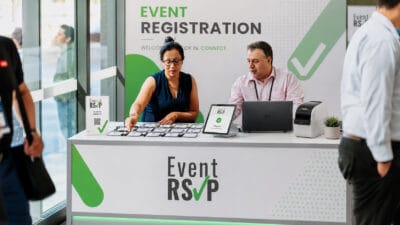
Planning a corporate event can feel deceptively manageable at first. Then the guest list grows, suppliers multiply, deadlines tighten, and the details start spreading across inboxes, spreadsheets, and meeting notes. What should feel organised can quickly become harder to control, especially when the event carries internal visibility or high stakeholder expectations.
That is why event management software has become such a valuable part of modern event delivery. It gives teams a clearer way to manage registrations, communications, attendee details, scheduling, and reporting without relying on disconnected tools or manual workarounds.
Event Management Software for Stress-Free Events

By replacing scattered spreadsheets and paper-based systems with connected digital tools, event teams can reduce admin pressure and keep the planning process far more structured. The real value is not only speed. It is the confidence that comes from knowing the right information is in the right place when you need it.
The Rise of Event Management Software
Corporate events are no longer simple gatherings with a short invite list and a basic run sheet. Today’s events often involve multiple suppliers, internal stakeholders, data capture, reporting requirements, branded guest experiences, and clear expectations around delivery quality.
That change has made event management software far more relevant. Businesses want systems that can support the entire event journey, from registration and RSVP management through to communications, check-in, and post-event reporting. When those functions sit in one place, the whole process becomes easier to oversee.
It also reflects a broader shift in expectations. Teams are under pressure to work efficiently, maintain visibility, and deliver events that feel polished from the first touchpoint. Software helps support that standard in a practical, measurable way.
The Shift from Manual Planning to Digital Tools
For years, event planning relied on spreadsheets, sticky notes, calendar reminders, and long email threads. That approach could work for small events, but it became far less reliable once events involved larger guest lists, multiple suppliers, and tighter reporting requirements.
Event management software is a central system that handles registration, communication, scheduling, onsite check-in, and reporting in one place. For corporate teams, that means fewer manual errors, better visibility across suppliers and stakeholders, and faster decisions before, during, and after the event.
Instead of chasing updates across several platforms, teams can work from one source of truth. That alone can make the event feel more controlled. It also reduces duplication, limits confusion, and gives everyone a clearer sense of what is happening at each stage.
Key Benefits of Event Management Software
A strong platform does more than store guest names. It helps teams manage the event in a way that feels calmer, clearer, and more professional.
1. Streamlined Project Management
Tasks, timelines, guest data, and communications can all be organised from one place. This gives teams better visibility and makes it easier to manage progress without relying on separate documents.
2. Improved Efficiency
Automated confirmations, reminders, RSVP tracking, and reporting reduce repetitive admin. That means less time spent chasing details and more time spent on decisions that improve the event itself.
3. Better Attendee Experience
The guest journey becomes smoother when registration is simple, confirmations arrive on time, and event updates are easy to access. Those details shape first impressions well before the event begins.
Good event management software also helps teams stay accurate. Dietary requests, accessibility needs, VIP notes, and session selections are much easier to manage when the information is captured properly from the start.
How Event Management Software Reduces Stress for Teams
Behind every corporate event is usually a team managing much more than the event itself. Marketing campaigns, stakeholder communication, internal approvals, budgets, and day-to-day responsibilities are all happening at the same time. Without the right systems, event planning can easily become one more source of pressure.
Event management software helps reduce that load by automating repetitive tasks and keeping information centralised. Invitations, reminders, confirmations, and attendee updates can be managed through one platform, which removes much of the manual back and forth.
It also improves collaboration. Marketing, operations, leadership, and support teams can all work from the same information, which reduces duplicated effort and lowers the risk of outdated details being used. That kind of shared visibility creates a calmer planning environment and makes it easier to stay in control as the event approaches.
Software also helps reduce the small errors that create bigger problems later. When guest information, timing changes, and supplier updates are tracked properly, teams spend less time fixing avoidable issues. That makes the planning process feel steadier, especially when timelines are tight and several stakeholders need accurate information at the same time.
Essential Features to Look For
When evaluating event planning software, it helps to focus on functionality that genuinely supports delivery rather than choosing the platform with the longest feature list.
- Event registration system integration: Registration should be simple for guests and useful for your team. Strong data capture at the start supports everything that follows. For more tailored attendee journeys, professional event registration services can make a significant difference.
- RSVP management tools: Real-time response tracking, reminder workflows, guest notes, dietary requirements, and accessibility requests all help reduce friction during planning.
- Event scheduling tools: Session timing, speaker coordination, and run sheet visibility are much easier to manage when they sit within one connected system.
- Attendee tracking and reporting: Post-event insight matters. Reliable data helps teams understand attendance, engagement, and future opportunities for improvement.
- Onsite check-in capability: Mobile check-in, live attendance visibility, and badge printing can improve the arrival experience and reduce pressure at the registration desk.
- System integration: The best platforms work with existing CRM, communications, or reporting tools instead of creating another disconnected process.
Real-World Applications Across Different Event Types
Event management software adapts well across different event formats because its main job is to bring structure to complexity.
Conferences
Software can support agenda management, registration, speaker coordination, communications, onsite check-in, and reporting. For larger, more complex programs, it works particularly well alongside experienced conference event management support.
Product Launches
Launch events often need tight guest list control, media coordination, clear timing, and strong post-event follow-up. A connected platform helps keep those moving parts aligned.
Gala Dinners
Seating plans, VIP attendance, dietary requirements, and arrival flow all benefit from cleaner attendee data and a more organised registration process.
Trade Shows and Exhibitions
Exhibitor registration, attendee movement, check-in, and follow-up reporting are much easier to manage when the event team is not relying on multiple disconnected systems.
No matter the format, the benefit is similar. Fewer loose ends, fewer manual mistakes, and a better experience for both organisers and attendees.
Supporting Corporate Event Planning
From conferences to product launches and gala dinners, event management software supports every stage of corporate event planning. It can improve structure, help maintain brand consistency, and make the attendee journey feel more seamless from start to finish.
Still, software works best when it sits inside a well-managed event strategy. A platform can help organise data, communication, and scheduling, but it cannot replace experienced oversight, supplier coordination, stakeholder management, or delivery judgement.
For businesses planning one-off or high-visibility events, our corporate event management services help bring together the strategic, operational, and guest-facing side of the event. For organisations needing broader support across multiple programs, outsourcing event management can also reduce internal pressure while making event technology more effective.
Tech in Action
The shift to digital is clear, but the most useful event technology is often the least dramatic. It is the RSVP reminder that goes out on time. It is the check-in process that feels quick and organised. It is the attendee information that is accurate when your team needs it most.
Online event platforms now support everything from registration and communications through to session tracking, check-in, and post-event reporting. When these tools are properly set up, they remove a lot of the admin strain that usually sits behind the scenes.
That matters because better systems do not just save time. They also improve confidence. Teams can make decisions faster, respond to changes more calmly, and keep stakeholders informed without pulling information together manually at the last minute.
Why Reporting and Visibility Matter
One of the strongest advantages of event management software is not just what it helps teams do before the event, but what it makes easier afterwards. For many organisations, the real pressure starts once leadership wants numbers, feedback, attendance data, and a clear view of what worked well.
When that information is spread across inboxes, spreadsheets, supplier notes, and sign-in sheets, reporting becomes far more time-consuming than it should be. It also becomes harder to trust. Teams can spend days chasing figures that should have been easy to access from the start.
A strong platform creates better visibility throughout the event lifecycle. Registration numbers, guest movement, communication history, dietary notes, onsite attendance, and feedback can all be captured in a more structured way. That makes reporting clearer and gives teams a better foundation for future planning.
This matters even more in stakeholder-visible environments. When events are tied to budget scrutiny, leadership confidence, or broader business goals, it is not enough to say the event went well. Teams need data they can explain clearly, defend confidently, and use to improve the next event.
The Future of Event Management Software
As event technology continues to evolve, businesses are expecting more from their software. The focus is no longer only on digital convenience. It is on connected systems, clearer reporting, stronger integrations, and tools that help teams make faster, better-informed decisions.
Artificial intelligence is starting to play a more useful role in this space. Rather than replacing event teams, it is supporting tasks such as communication timing, attendance forecasting, content recommendations, and reporting summaries. Used well, it can help reduce repetitive work and highlight patterns that may otherwise be missed.
Hybrid experiences, mobile-first engagement, and stronger demand for measurable outcomes are also shaping the next phase of event management software. In practice, that means businesses are looking for platforms that support both efficient delivery and stronger visibility, without creating more complexity in the process.
Choosing the Right Event Management Software
Not all platforms are the same, and the right choice depends on your event format, internal capacity, and reporting expectations. The best software is usually the one that suits your process well, rather than the one with the most features.
Budget and scalability matter. The platform should support current needs while still being useful as your event program grows. Ease of use matters as well, because even strong software becomes frustrating if teams avoid it or only use part of its functionality.
It is also worth thinking about the type of pressure your events carry. If events are stakeholder-facing, data-sensitive, or operationally complex, the platform needs to support more than registration alone. It should help reduce oversight burden, strengthen reporting clarity, and make the entire delivery process easier to manage.
It is also worth considering the support around the platform, not just the platform itself. Setup, user adoption, reporting structure, and onsite execution all influence whether the software genuinely makes life easier. The right choice should feel practical for your team, useful for your stakeholders, and reliable under the pressure of a live event.
Turning Event Complexity Into Clearer Delivery
Event management software has become an essential part of delivering smoother, lower-stress corporate events. It brings registration, communication, scheduling, check-in, and reporting into one clearer system, which gives teams more control and less unnecessary pressure.
Used well, it does more than save time. It supports better visibility, stronger decision-making, and a more polished attendee experience from the first invitation through to post-event review. That is where the real value sits, especially for organisations managing visible, high-stakes, or multi-layered events.
The strongest outcomes often come when good software is paired with experienced event management. Technology provides the structure, while the right event team provides the judgement, coordination, and calm delivery that help everything come together properly.
Frequently Asked Questions: event management software
What is event management software used for?
Event management software helps teams manage registrations, RSVPs, attendee communication, scheduling, onsite check-in, and reporting. It keeps key event information in one place, which makes planning easier to oversee and less manual to manage.
How does event management software reduce stress for event teams?
It reduces admin by automating tasks such as confirmations, reminders, and response tracking. It also improves visibility, so teams can work from the same information and spend less time fixing avoidable errors or chasing updates.
Which features matter most in event management software?
The most valuable features usually include registration, RSVP tracking, scheduling, onsite check-in, attendee reporting, and system integrations. The right mix depends on your event format, internal workflow, and how much stakeholder visibility the event carries.
Can event management software help with reporting and attendee tracking?
Yes, and this is often where it creates the most long-term value. A strong platform makes it easier to track registrations, attendance, guest activity, and feedback in a structured way, which supports clearer reporting and better future planning.
Does event management software improve the attendee experience?
Yes. It helps create a smoother journey from registration through to arrival by making confirmations, updates, and check-in more efficient. When those details are handled well, the event feels more professional from the guest’s point of view.
Can one platform manage registrations, RSVPs, and check-in together?
Many event platforms can manage all three, which is often where they become most useful. Keeping these functions connected improves accuracy, reduces duplication, and gives teams better visibility across the full attendee journey.
How do you choose the right event management software for your business?
The best option is usually the platform that fits your process, team capacity, and reporting needs, rather than the one with the longest feature list. It should feel practical to use, reliable under pressure, and suitable for the type of events your business runs.
How does Pink Caviar Events support clients using event management software?
Pink Caviar Events helps clients combine structured event systems with experienced planning, coordination, and delivery oversight. That means the software supports the process properly, while the event itself still feels polished, well-managed, and aligned with the bigger objective.
To make your next event easier to manage, contact Pink Caviar Events on 1300 884 800 or info@pinkcaviar.com.au. You can also fill out the form at the bottom of this page, or Book a Consultation.