Building a recognisable brand takes more than a logo, colour palette, or polished marketing campaign. In live event settings, people experience your brand directly through the atmosphere, the messaging, the guest journey, and the standard of delivery. Corporate events create a rare moment where brand identity becomes tangible, giving guests, stakeholders, and teams a clear sense of what your organisation stands for.
Events help shape brand identity by turning values, positioning, and personality into a lived experience. When the environment, communication, and delivery feel aligned, guests leave with a stronger impression of the brand, not just the event itself. That is what makes events such a powerful brand touchpoint.

Why Brand Identity Is Experienced, Not Just Seen
Brand identity is often discussed in visual terms, but it runs deeper than logos, colours, and typefaces. It also shapes how a business sounds, how it presents itself under pressure, and how confidently people experience the brand in real situations. That is why brand identity becomes especially powerful in live event environments.
An event gives people more than a message to read or an image to scroll past. It gives them a direct encounter with the organisation behind it. The welcome, the tone of communication, the atmosphere in the room, and the standard of coordination all influence how the brand is understood.
When those elements feel considered and consistent, the brand comes across as credible, capable, and clear in its purpose. When they feel disconnected, the event may still function, but the brand impression becomes weaker and less memorable.
How Events Shape Brand Perception in Real Time
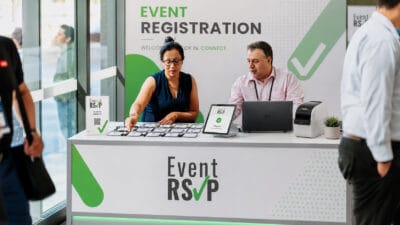
Brand identity becomes most powerful when people can feel it, not just recognise it. Events place guests inside the brand for a few hours or a few days, which means every interaction carries weight. The tone at registration, the way speakers are introduced, the quality of the environment, and the flow of the program all contribute to perception in real time.
This matters because people often form stronger impressions through experience than through advertising alone. A well-run event suggests professionalism, clarity, and care. It tells guests the organisation understands its audience and knows how to present itself in a way that feels considered.
The opposite is also true. If the event feels disjointed, confusing, or inconsistent, that impression can affect how the brand is remembered afterwards. Even when the visuals are polished, weak delivery can undermine confidence in the organisation behind the event.
The Role of Styling, Signage, and Presentation
Visual presentation plays a major role in how brand identity is interpreted at an event. Guests notice the space before they absorb the finer details, which means styling, signage, and presentation help set expectations from the outset. They signal whether the brand feels polished, modern, formal, energetic, understated, or premium.
That does not mean every event needs to be elaborate. What matters is that the visual environment feels deliberate and aligned. Branded welcome points, screen graphics, stage design, printed materials, and spatial layout should all support the same message rather than compete for attention.
This is where event styling and production become especially valuable. When styling is handled as part of the wider event strategy, it helps create an environment that feels cohesive, professional, and recognisably on brand.
A good presentation also supports confidence. It helps guests navigate the event more easily, strengthens recognition throughout the experience, and reinforces the sense that the organisation has invested in both the message and the people receiving it.
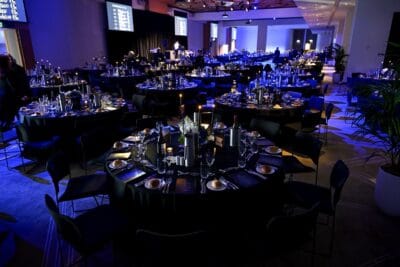
A good example of this in practice is the BNI Sydney Gala Event, where large-scale branding was brought to life through bold, cohesive event styling for a 940-guest event at ICC Sydney. It shows how visual consistency can do more than decorate a space. When branding is carried through the environment with purpose, it helps guests experience the identity of the organisation more clearly and remember it more easily.
Why Consistency Matters Before, During, and After the Event
Brand identity is not built in a single moment. It is shaped across the full event journey, from the first invitation or registration touchpoint through to the final follow-up. When the tone, visuals, and experience stay aligned throughout, the event feels more coherent, and the brand feels more credible.
This is where consistency becomes more than a design principle. It affects how people interpret professionalism, reliability, and intent. A pre-event message might promise one kind of experience, but if the event delivery feels disconnected from that promise, the brand impression weakens. By contrast, when the journey feels seamless, it supports the kind of brand experience discussed in broader thinking around customer experience and brand alignment.
Consistency also helps events leave a stronger mark afterwards. Guests are more likely to remember an event positively when every stage feels considered, from the welcome and content flow to the post-event communication. That sense of alignment gives the brand more staying power than visuals alone ever could.
How Events Build Stakeholder Confidence
Brand identity at events is not only about how the brand looks to guests. It also affects how leadership, partners, sponsors, and internal teams feel about the organisation behind the event. When the experience is clear, polished, and aligned, it builds confidence that the business is organised, credible, and operating to a high standard.
This is especially important in stakeholder-facing environments, where events often carry reputational weight. A well-executed event reassures people that the organisation can present itself professionally in visible settings. That confidence becomes part of brand identity too, because people remember not just what the event said, but how confidently the brand showed up.
Event Formats Where Brand Identity Matters Most
Brand identity matters across almost every business event, but some formats place it under greater scrutiny than others. Conferences, leadership events, gala dinners, product launches, and roadshows all put the organisation in front of audiences who are forming opinions in real time. In those settings, the event does more than support communication; it reflects the standards and positioning of the brand itself.
At conferences, brand identity needs to hold together across content, delegate experience, signage, and the wider event environment. That is especially important in more complex, multi-stakeholder settings, where conference event management supports both operational clarity and a more consistent brand experience.
Gala dinners and awards nights tend to heighten visual and emotional expectations, while product launches place more emphasis on energy, message control, and audience response. Roadshows add another layer, because the brand needs to feel consistent across multiple locations and touchpoints. Each format creates different pressures, but the underlying requirement stays the same. The event should feel unmistakably connected to the organisation behind it.
Practical Ways to Strengthen Brand Identity at Events
Brand identity is often reinforced through small decisions rather than one grand gesture. The strongest event environments feel coherent because each touchpoint supports the same impression. Guests may not notice every detail individually, but they will notice when the overall experience feels aligned.
A practical approach usually includes:
• clear visual consistency across signage, screens, print materials, and presentation assets
• messaging that matches the organisation’s tone, values, and level of professionalism
• a guest journey that feels considered from arrival through to follow-up
• styling choices that reflect the brand without overwhelming the purpose of the event
• speakers, hosts, and content that support the brand position rather than dilute it
• thoughtful branded elements, such as welcome points, stage backdrops, or curated guest materials
What matters most is restraint and alignment. Strong branding at events should feel intentional, not forced. When every element supports the same identity, the event becomes easier to remember, and the brand becomes easier to trust.
Why Event Delivery Matters as Much as Visual Branding
A visually strong event can attract attention, but delivery is what gives that impression credibility. Brand identity is shaped just as much by timing, communication, guest flow, speaker coordination, and overall professionalism as it is by colour palettes or signage. If the experience feels smooth and well-managed, the brand feels more trustworthy.
This is especially important in corporate and stakeholder-facing environments, where guests are not only responding to the atmosphere but also assessing the standard behind it. An event that runs calmly and confidently suggests an organisation that is organised, capable, and clear in its priorities.
That is where Pink Caviar Events brings real value. Our work is not limited to how an event looks. We focus on how it functions, how it feels for guests, and how every part of the experience supports the brand the event is meant to represent. When delivery and presentation work together, brand identity becomes far more convincing.
That balance between presentation and execution is just as important in high-volume events. For the NRA Gala Dinner Extravaganza, Pink Caviar Events delivered a 1000-plus guest gala at The Star, with a brief centred on prestige, brand identity, and a seamless guest experience. The result reinforces a simple point: brand identity feels more credible when the event not only looks aligned, but also runs with clarity and polish.
Building Long-Term Brand Impact Through Well-Run Events
A strong event can create immediate engagement, but its real value often shows up afterwards. The way guests remember the experience, talk about the organisation, and carry that impression forward all contribute to brand identity over time. When an event feels aligned from start to finish, it strengthens recognition in a way that lasts beyond the day itself.
That is why brand identity should be considered across the whole event, not just the visible branding. The message, environment, guest experience, and quality of execution all shape how the organisation is remembered. When those elements work together, the event becomes more than a moment. It becomes part of how the brand is understood.
At Pink Caviar Events, we see brand identity as something that should be supported through both presentation and delivery. A well-run event does more than look polished. It helps organisations show who they are with clarity, confidence, and a standard that reflects well on everyone involved.
Frequently Asked Questions: Brand identity at events
What makes a gala dinner theme feel innovative rather than generic?
An innovative gala dinner theme feels intentional, cohesive, and relevant to the audience. It goes beyond surface styling to create an experience that reflects purpose, storytelling, and thoughtful design choices rather than relying on tired concepts or trends.
How do gala dinner themes impact client and sponsor perception?
A well-executed theme shapes how guests perceive the professionalism and credibility of the host organisation. It signals confidence, attention to detail, and strategic thinking, while also helping sponsors feel genuinely aligned with the event.
Are themed gala dinners suitable for formal corporate audiences?
Yes, when executed with restraint and clarity. The most successful themed gala dinners for corporate audiences focus on atmosphere and refinement, ensuring the experience feels elevated rather than theatrical or gimmicky.
How can sponsors be integrated without overpowering the theme?
Sponsors are best integrated through experiences and moments that feel natural within the theme. When alignment is prioritised over visibility alone, sponsor presence enhances the event rather than disrupting the guest experience.
What are common mistakes organisations make with gala dinner themes?
Common pitfalls include choosing themes that lack relevance, overcomplicating the concept, or treating the theme as a decorative layer rather than a strategic framework. These missteps can dilute impact and create inconsistency across the event.
Can gala dinner themes be tailored to align with brand values?
Absolutely. Strong gala dinner themes are often rooted in brand values, using colour, tone, and design language to subtly reinforce identity. This approach ensures the event feels authentic and aligned rather than generic.
How do gala dinner themes influence guest engagement on the night?
Themes help guide guest attention, encourage interaction, and create emotional connection. When guests feel immersed in a cohesive environment, engagement naturally increases and the event becomes more memorable.
Why choose Pink Caviar Events for gala dinner themes and execution?
Pink Caviar Events brings strategic thinking, creative expertise, and experienced delivery together to produce cohesive, high-impact gala dinners. Our team understands how to balance innovation with practicality, ensuring themes are executed seamlessly and aligned with both client and sponsor expectations.