The Complete Guide to Conference Design & Delegate Experience

Conference design shapes how delegates engage and connect, playing a crucial role in the overall event experience. Every design decision, from room layout to session flow and brand integration, directly influences the attendee experience from arrival onward.
Strategic conference design drives engagement, supports learning, and reinforces key messages. By considering the delegate journey, organisers create immersive and navigable environments. This guide explores how thoughtful design enhances delegate experience and creates high-impact conferences.
What Is Conference Design?
Conference design is a strategic process that shapes how a conference functions, feels, and flows, ensuring the environment actively supports the event’s purpose.
Conference design integrates content, space, and experience. Stage positioning, room configuration, and branding reinforce key messages. When these align, the conference feels cohesive instead of fragmented.
In a corporate context, effective conference design supports both delegates and organisers by creating environments that are intuitive, engaging, and aligned with business goals. This is where conference design and production by Pink Caviar Events plays a critical role in delivering seamless, high-impact conferences.
Why Delegate Experience Matters More Than Ever
Delegate expectations have evolved. Attendees now expect purposeful, engaging, and thoughtfully designed conferences, rather than long sessions in generic spaces.
A strong delegate experience has a direct impact on engagement and attention. When the environment is comfortable, intuitive, and visually aligned with the event message, delegates are more likely to stay focused, participate in sessions, and retain information. This is why experienced teams specialising in conference event management consider delegate experience from the very beginning of the planning process, not as an afterthought.
Delegate experience is closely tied to event return on investment. Conferences that prioritise experience are more likely to achieve objectives such as knowledge sharing, networking, or brand positioning. Thoughtful design ensures delegates leave feeling positive and valued.
Understanding the Delegate Journey
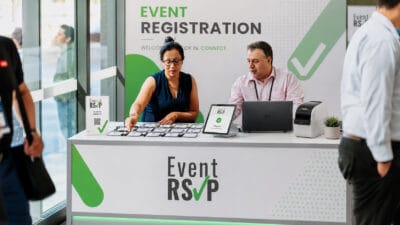
The delegate journey starts before the event, with pre-event communications, registration, and arrival experiences shaping expectations. Effective conference design includes these early touchpoints as part of the overall experience.
On the event day, design guides delegates through the experience. Clear wayfinding, intuitive layouts, and smooth transitions help the conference run efficiently, allowing delegates to focus on content rather than logistics.
The experience extends beyond the final session. Post-event networking, branded environments, and follow-up touchpoints reinforce key messages and add value. Considering the full delegate journey ensures a connected and cohesive experience.
Key stages of the delegate journey include:
- Pre-event communication and registration
- Arrival, wayfinding, and first impressions
- Session flow and onsite movement
- Networking and informal interactions
- Post-event engagement and follow-up
Aligning Conference Design With Event Objectives
Effective conference design starts with a clear understanding of event objectives. Early definition of goals ensures design decisions are intentional and support desired outcomes, not just aesthetics.
Aligning design with objectives ensures room layouts, stage positioning, and session flow support delegate behaviour. Learning-focused events benefit from optimised sightlines and acoustics, while networking events require flexible spaces.
Purpose-led design streamlines decision-making. Clear objectives help organisers avoid unnecessary complexity and create focused, cohesive experiences for delegates.
Conference objectives often include:
- Education and knowledge sharing
- Delegate engagement and interaction
- Networking and relationship building
- Brand positioning and visibility
Designing Conferences for Different Event Formats
Conference design should always respond to the format of the event, not the other way around. A one-size-fits-all approach rarely delivers the best delegate experience, as different conference formats place very different demands on space, flow, and engagement.
Single-stream conferences often rely on strong staging, clear sightlines, and immersive environments that support sustained focus. In these settings, conference design should prioritise comfort, acoustics, and visual impact to maintain energy throughout the day, particularly during keynote sessions and longer presentations.
Multi-stream conferences introduce additional complexity. Delegates need to move confidently between sessions, often across multiple rooms or levels. Clear wayfinding, intuitive layouts, and well-planned transition spaces become critical. Thoughtful design helps reduce friction, prevents congestion, and ensures delegates feel confident navigating the event without missing key content.
Networking-focused conferences require a different design emphasis altogether. Informal gathering spaces, flexible seating, and areas that encourage spontaneous conversation are just as important as the main presentation rooms. Design should support both structured and unstructured interaction, allowing delegates to connect naturally throughout the event.
Hybrid and content-heavy conferences add another layer. Design must consider how physical environments translate on screen, ensuring stages, lighting, and branding work equally well for in-room and remote audiences. When conference design accounts for format from the outset, the experience feels cohesive, intentional, and inclusive for all delegates.
By tailoring conference design to the specific format of the event, organisers can better support delegate behaviour, enhance engagement, and deliver experiences that feel purposeful rather than generic.
Key Elements of Effective Conference Design
Effective conference design combines multiple elements to support both function and experience. A holistic approach creates seamless, engaging, and easily navigable conferences.
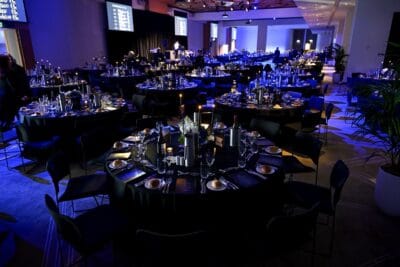
Spatial planning and room layouts are foundational. Seating, stage placement, and traffic flow should reflect how delegates learn and move throughout the event. Good planning improves comfort, sightlines, and engagement.
Staging, lighting, and audiovisual design help define the atmosphere of the conference. Clear sound, balanced lighting, and strong visual presentation ensure delegates can connect with speakers and content without distraction. These elements also contribute significantly to the perceived professionalism of the event.
Branding and visual consistency bring everything together. Consistent use of brand colours, graphics, signage, and digital content reinforces key messages and creates a polished, intentional environment rather than a collection of disconnected spaces.
Core elements of conference design include:
- Room layouts and spatial flow
- Stage and set design
- Lighting and audiovisual integration
- Visual branding and signage
How Conference Design Supports Brand Experience
Conference design effectively translates a brand into a physical environment. Every design choice, from colour and materials to staging and signage, shapes how delegates perceive the organisation.
When design reflects brand identity, the experience feels intentional. Visual consistency at all touchpoints reinforces key messages and keeps the brand present, not overwhelming.
A well-designed brand environment also builds trust. A polished, cohesive conference signals professionalism and attention to detail, leaving delegates with a positive and lasting impression that extends well beyond the event itself.
Designing for Engagement and Interaction
Engagement relies on design as well as content. Conference spaces shape how delegates participate and stay focused. Design can invite or discourage engagement.
Engaging spaces are flexible and thoughtfully designed. Discussion-friendly seating, breakout areas, and clear sightlines help delegates contribute comfortably. Supporting various participation modes makes engagement feel natural.
Thoughtfully integrated technology enhances interaction. Tools like live polling, Q&A platforms, and digital displays are most effective when planned as part of the overall experience. Alignment of design and technology makes interaction seamless.
Creating Immersive Conference Experiences
Immersive conference experiences are created when delegates feel fully absorbed in the environment around them. Rather than simply attending sessions, delegates become part of a carefully designed experience that supports focus, energy, and emotional connection.
Sensory elements play a major role in immersion. Lighting, sound, colour, and texture can all be used to influence mood and attention throughout the day. Subtle shifts in lighting or audio can help signal transitions between keynotes, breakout sessions, and networking moments, creating a natural rhythm to the event.
Storytelling also strengthens immersion. A clear narrative from arrival to closing creates a purposeful experience, helping delegates stay engaged and leaving a strong overall impression.
Common Conference Design Mistakes to Avoid
A common mistake in conference design is prioritising aesthetics over function. Visually impressive spaces may create a strong first impression, but poor sightlines, uncomfortable seating, or unclear layouts undermine the delegate experience.
Another frequent issue is failing to consider the delegate flow. Bottlenecks between sessions, long travel distances within venues, or confusing wayfinding can disrupt the rhythm of the event and leave delegates feeling rushed or disengaged. Good conference design anticipates movement and plans for it deliberately.
Designing without a clear purpose is also a major pitfall. When design decisions are made without aligning to event objectives, the result can feel disjointed or overwhelming. Effective conference design ensures every element serves a role in supporting both the delegate experience and the goals of the event.
How Professional Conference Design Adds Value
Professional conference design brings clarity and structure to a complex process. Experienced teams take a holistic view, considering objectives, audience needs, brand alignment, and logistics from the start.
Strategic conference design ensures every element supports the delegate experience and event flow. Purposeful planning of staging, layouts, technology, and visuals reduces last-minute compromises and creates a cohesive outcome. Partnering with experienced professionals makes a measurable difference.
Take the next step to elevate your next conference. Engage with a professional conference design team to ensure your event is seamless, memorable, and aligned with your goals. Contact us today to learn how expert conference design can transform your delegate experience.
By investing in thoughtful conference design, organisations can create experiences that feel intentional, engaging, and aligned with long-term business objectives. The right design approach not only enhances the delegate experience but also strengthens brand perception and maximises the overall impact of the event.
Elevate Your Conference With Expert Design
Conference design has the power to shape how delegates engage, connect, and remember your event. When design is approached strategically, it supports your objectives, enhances delegate experience, and delivers measurable impact.
Pink Caviar Events partners with organisations to deliver thoughtfully designed conferences that balance creativity, function, and flow. From concept to delivery, our team creates environments that feel intentional, engaging, and aligned with your goals.
Frequently Asked Questions: Conference Design & Delegate Experience
What is conference design and why is it important?
Conference design is the strategic planning of how a conference looks, feels, and functions. It is important because it directly impacts how delegates engage with content, navigate the space, and perceive the overall quality and professionalism of the event.
How does conference design improve the delegate experience?
Thoughtful conference design creates environments that are intuitive, comfortable, and engaging. Clear layouts, strong staging, and cohesive branding help delegates stay focused, participate more actively, and enjoy a smoother, more memorable experience.
What elements are included in professional conference design?
Professional conference design typically includes spatial planning, stage and set design, lighting, audiovisual integration, branding, signage, and consideration of delegate flow. All elements work together to support both the event objectives and the delegate journey.
How early should conference design be planned?
Conference design should be considered early in the planning process. Early involvement allows design decisions to align with objectives, venue selection, and program structure, reducing last-minute changes and improving overall outcomes.
What is the difference between conference design and conference management?
Conference design focuses on the experience, environment, and visual flow of the event, while conference management covers logistics, coordination, and operational delivery. Both work best when planned together to ensure a seamless and well-executed conference.
How does conference design support delegate engagement and learning?
Design influences how delegates interact with content and each other. Well-designed spaces support attention, discussion, and participation, while thoughtful staging and technology integration enhance learning and information retention.
Can conference design be tailored to different event formats?
Yes. Conference design should adapt to the format of the event, whether it is single-stream, multi-stream, networking-focused, or hybrid. Tailoring the design ensures the space supports delegate behaviour and event goals effectively.
What are common conference design mistakes to avoid?
Common mistakes include prioritising aesthetics over function, ignoring delegate flow, and designing without clear objectives. These issues can lead to confusion, discomfort, and disengagement, even if the event looks visually impressive.
How does Pink Caviar Events approach conference design and delegate experience?
Pink Caviar Events takes a strategic, experience-led approach to conference design, considering objectives, audience needs, brand alignment, and logistics from the outset. Their team designs environments that support engagement, flow, and measurable outcomes for both organisers and delegates.
How does conference design contribute to brand perception at conferences?
Conference design brings a brand to life in a physical environment. Consistent visuals, intentional layouts, and well-executed staging reinforce brand values and professionalism, leaving delegates with a strong and lasting impression.
Planning a conference, award night or gala dinner and need support with venue hire? Call us, email us or book a consultation with our team.