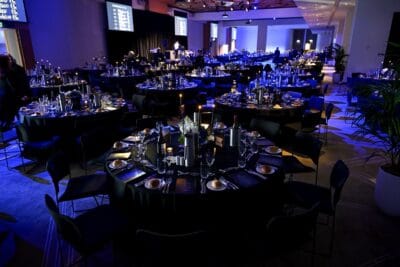
An awards night can look simple from the outside. Guests arrive, find their seats, enjoy the meal, watch the presentations and see the winners announced. When the event is running well, the work behind it is almost invisible.
That is exactly why awards night planning is often underestimated. The polished version guests experience depends on decisions made weeks or months earlier, from the event format and guest list to the run sheet, supplier briefings, stage cues, seating plan, lighting, trophies, presenter movement and contingency planning. This guide uses the idea of a checklist to show what really sits behind a well-managed awards night, and why professional planning can make the difference between an event that simply looks good and one that runs with confidence.
Why an Awards Night Needs More Than a Venue and Styling
The visible parts of an awards night are easy to focus on first. Venue, menu, centrepieces, stage backdrop and entertainment all matter, and they often shape the first impression. But they are not the event by themselves.
A well-run awards night has to carry recognition, timing, guest comfort, stakeholder expectations and brand presentation at the same time. The room may look refined, but if award recipients are unclear about where to stand, the MC has the wrong running order, meals clash with speeches or VIP guests are not managed properly, the event quickly feels unsteady.
This is where professional planning changes the outcome. It connects the creative decisions to the operational ones, so styling, catering, production, guest movement, and formalities support each other rather than competing for attention on the night.
The Early Planning Decisions That Shape the Whole Event
Before suppliers are booked, an awards night needs a clear frame. The purpose of the event, the type of guests attending and the level of formality all influence what follows. A corporate awards night for staff recognition will not have the same rhythm as an industry awards dinner with sponsors, finalists, media and external stakeholders.
Early planning decisions also create flow-on effects. Guest numbers influence venue options, venue choice affects production requirements, and the awards programme shapes the meal service, entertainment and timing. Even the number of award categories can change how long guests are seated, how many presenters need briefing and how much movement happens around the stage.
The most useful early decisions usually include:
- the purpose of the awards night and what success should look like
- the audience, including staff, clients, sponsors, VIPs, finalists and partners
- the preferred event format, such as a seated dinner, a gala dinner, a cocktail event or a theatre-style ceremony
- the estimated guest numbers and budget range
- the awards categories, judging process and finalist communication
- the level of staging, AV, lighting and styling required
- the internal approvals, reporting needs and decision-makers involved
These choices may seem separate at the start, but they become connected quickly. A late change to the programme can affect catering timing. A new sponsor requirement can change signage, stage acknowledgements and seating. A larger finalist group may require more guest communications, more certificates or trophies and a different stage movement plan.
The Guest Experience Starts Before Guests Arrive
Guests experience the awards night long before they walk into the room. The invitation, RSVP process, reminder communication and arrival instructions all set expectations about the standard of the event. If those details are unclear, the pressure usually shifts to the internal team through follow-up emails, seating questions, dietary changes and last-minute guest list updates.
For gala dinners and awards nights, guest management is more than collecting names. It includes dietary requirements, accessibility needs, VIP handling, table allocations, sponsor seating, finalist attendance and sometimes partner or guest approvals. Each decision needs to be accurate because it affects catering, place cards, floor plans, registration lists and the tone of the arrival experience.
The seating plan is often one of the most underestimated parts of the process. It has to balance internal politics, sponsor visibility, executive attendance, team groupings, finalists, award presenters and the practical layout of the room. A table plan that looks simple on paper may have gone through several versions before it feels right.
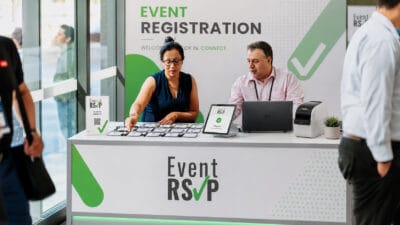
Arrival is another point where planning becomes visible. Clear signage, prepared check-in lists, briefed staff, and a calm registration area help guests settle quickly. When this part works, guests do not think about the process. They simply feel expected, guided and looked after.
The Run Sheet Is Where the Awards Night Becomes Real
The run sheet is where the awards night stops being a collection of ideas and becomes a live sequence. It is not just a schedule for the MC. It connects catering, speeches, entertainment, presenter movement, winner announcements, AV cues, lighting, music, photography and room transitions into one coordinated plan.
By this stage, the event planning checklist has moved beyond reminders. It becomes a working document for people, suppliers, timing and decisions. If the entrée is delayed, it can affect the first award presentation. If a presenter is not in position, it can hold the stage. If the wrong slide appears behind a winner, the moment loses polish.
Awards nights have a particular pressure because formal recognition needs rhythm. The programme has to give each category enough weight without making the evening drag. Meals, speeches and entertainment need to be placed carefully so guests remain engaged and the room does not lose energy between awards.
This is where experienced event management is valuable. A professional team not only write the run sheet. They test the sequence, brief the right people, identify timing risks and keep the event moving when small changes happen on the night.
Styling and Production Need to Support the Event, Not Just Decorate It
Styling is often treated as the visual layer of an awards night, but it has a practical role as well. The stage, tables, signage, lighting and branded details all influence how guests move through the event, where their attention goes and how each awards moment is framed.
Good styling and production should support the structure of the evening. A stage backdrop needs to work for photography. Lighting needs to suit speeches, entertainment, winner moments and table service. Screens need to be visible from the right parts of the room. Signage needs to guide guests without making the space feel crowded or overly corporate.
This is why supplier coordination matters. The stylist, AV team, venue, photographer, entertainment, catering team and event manager are all working inside the same space, often with limited bump-in time. If their requirements are not checked early, the room can become difficult to manage before guests even arrive.
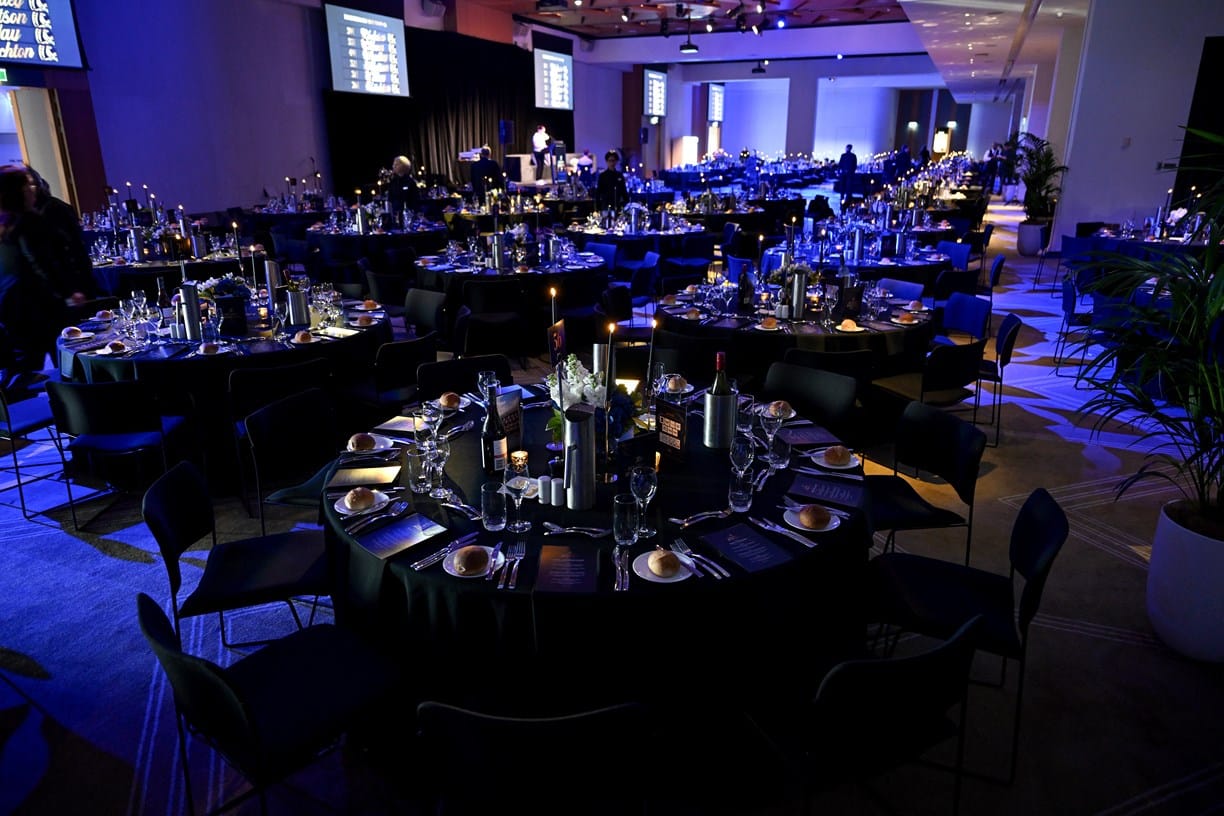
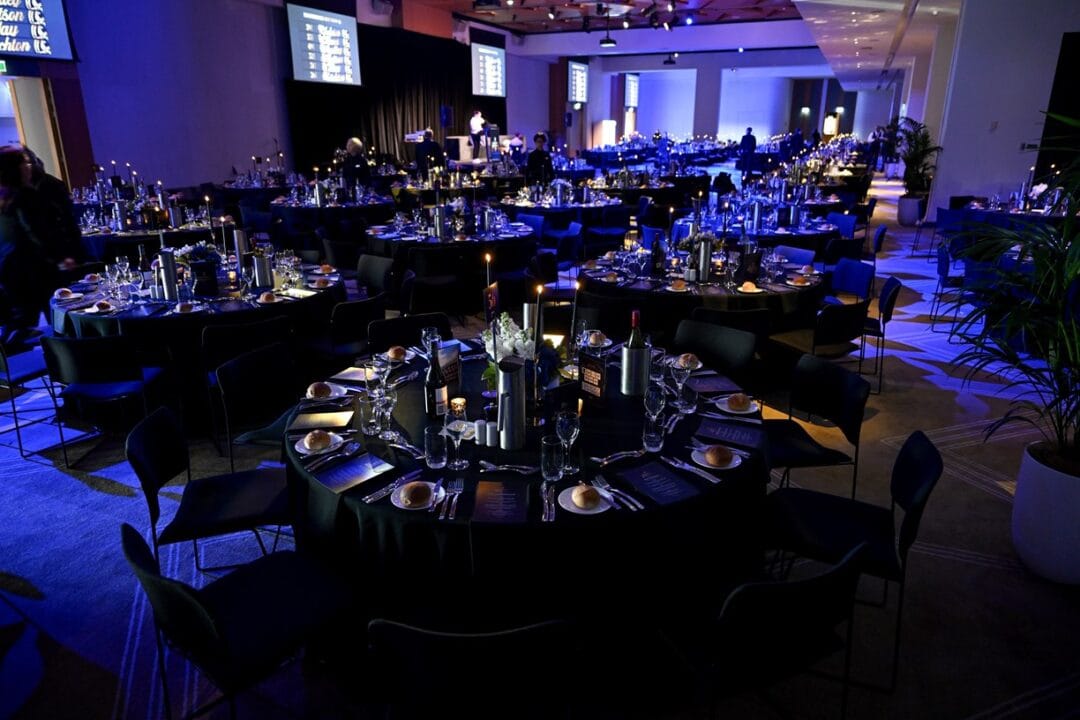
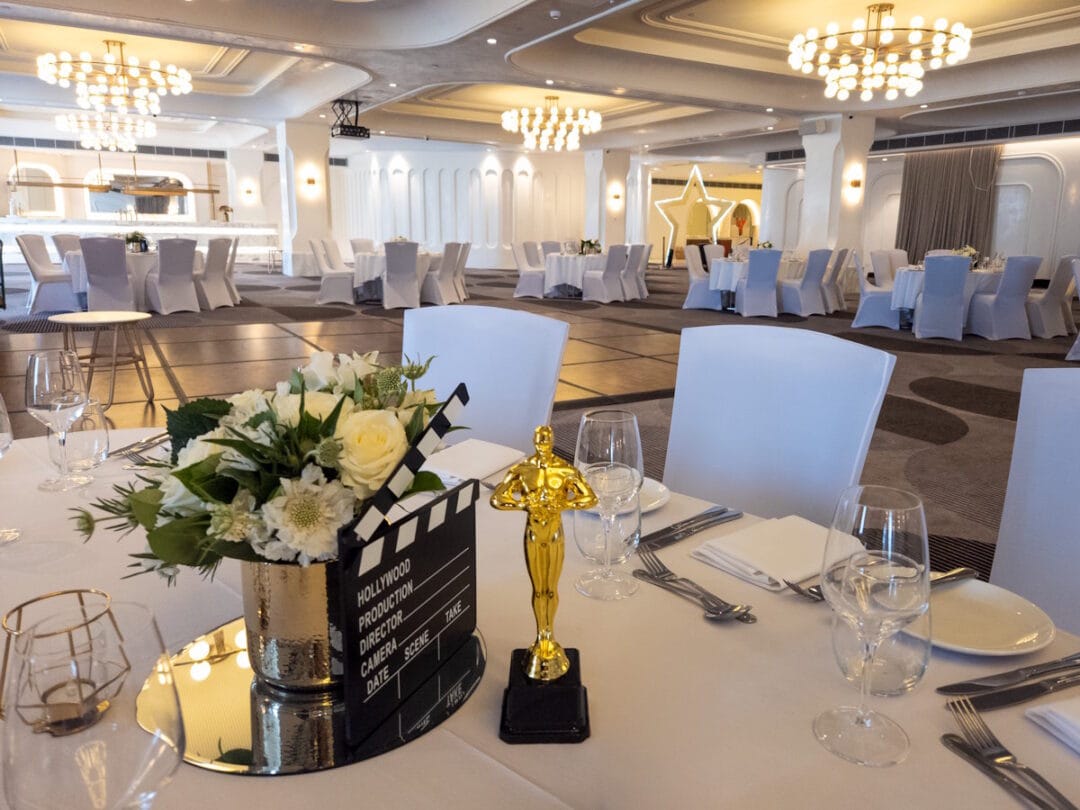
Pink Caviar Events’ work on the Mauri Commercial Awards Night shows how awards night planning brings visual presentation and operational delivery together. The goal is not decoration for its own sake. It is a room that looks considered, functions properly and supports the significance of the awards being presented.
Professional Planning Makes the Celebration Feel Effortless
The best awards nights do not feel heavily managed. They feel calm, polished and easy for guests to enjoy. That ease is usually the result of detailed planning that has already dealt with timing, supplier needs, guest information, stage flow and the small decisions that can otherwise interrupt the evening.
For internal teams, professional planning also changes the experience of hosting the event. Instead of solving preventable problems during arrivals, chasing presenters, checking trophy order or adjusting the run sheet in real time, they can focus on guests, stakeholders and the purpose of the night.
An awards night should feel like a celebration, not a live problem-solving exercise. When the planning is handled properly behind the scenes, the event has room to recognise people well, reflect the organisation professionally and give guests an experience that feels considered from beginning to end.
Frequently Asked Questions: event planning checklist for awards nights
What should be included in an event planning checklist for awards nights?
An event planning checklist for awards nights should include the event purpose, guest list, budget, venue, catering, awards programme, run sheet, supplier briefs, AV, styling, trophies, seating, guest communications and contingency plans. It should also make responsibilities clear so decisions are not left unresolved close to the event.
How early should you start planning an awards night?
Most awards nights benefit from planning several months in advance, especially when the event includes sponsors, VIPs, finalists, entertainment, media or a formal dinner. Earlier planning gives the team more control over venue choice, supplier availability, guest communications, production requirements and internal approvals.
Why is the run sheet important for an awards night?
The run sheet turns the awards night into a live sequence. It connects catering, speeches, presenter movements, winner announcements, lighting, music, photography and AV cues so the event can move smoothly from one moment to the next.
What makes awards night guest management more complex than a standard event?
Awards nights often include finalists, sponsors, executives, presenters, VIPs, partners, staff and external stakeholders. Guest management needs to account for RSVPs, dietary requirements, seating, accessibility, table allocations and arrival flow, all of which affect the guest experience.
How do styling and production support an awards night?
Styling and production shape how the event looks, feels and functions. The stage, lighting, screens, signage, table styling and branded details should support the awards programme, photography, guest movement and the significance of the recognition moments.
Should an awards night be a seated dinner or cocktail event?
The right format depends on the audience, budget, programme length and level of formality. A seated dinner suits formal recognition, speeches and staged award presentations, while a cocktail format may suit a shorter or more social awards event with fewer formalities.
What does Pink Caviar Events manage for awards nights?
Pink Caviar Events can support awards nights through event planning, supplier coordination, guest experience planning, styling, production, run sheet development and on-the-day delivery. The role is to connect the operational, creative and formal parts of the event so the evening feels polished and controlled.
Why use a professional event planner for an awards night?
A professional event planner helps manage timing, suppliers, guest information, stage flow, styling, production and on-the-night changes. This allows the internal team to focus on guests, stakeholders and the purpose of the event instead of solving operational issues during the evening.
To discuss your next awards night or event planning checklist, contact Pink Caviar Events on 1300 884 800 or email us. You can also fill out the form at the bottom of this page, or Book a Consultation.