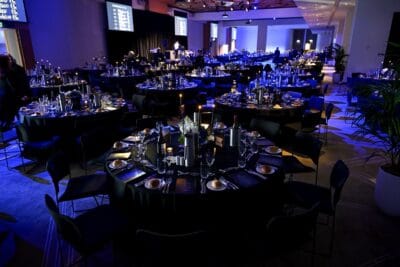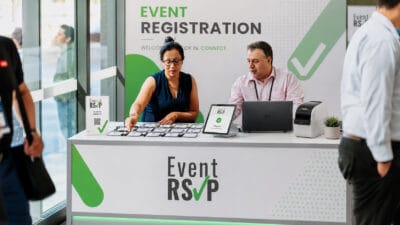
Event design and styling can shape how a corporate event feels long before the first guest checks in, the first speaker steps on stage, or the first conversation begins. In business settings, the environment does more than create visual impact. It influences first impressions, supports the purpose of the event, and helps guests understand what kind of experience they are stepping into from the moment they arrive.
Why Event Design and Styling Matters at Corporate Events
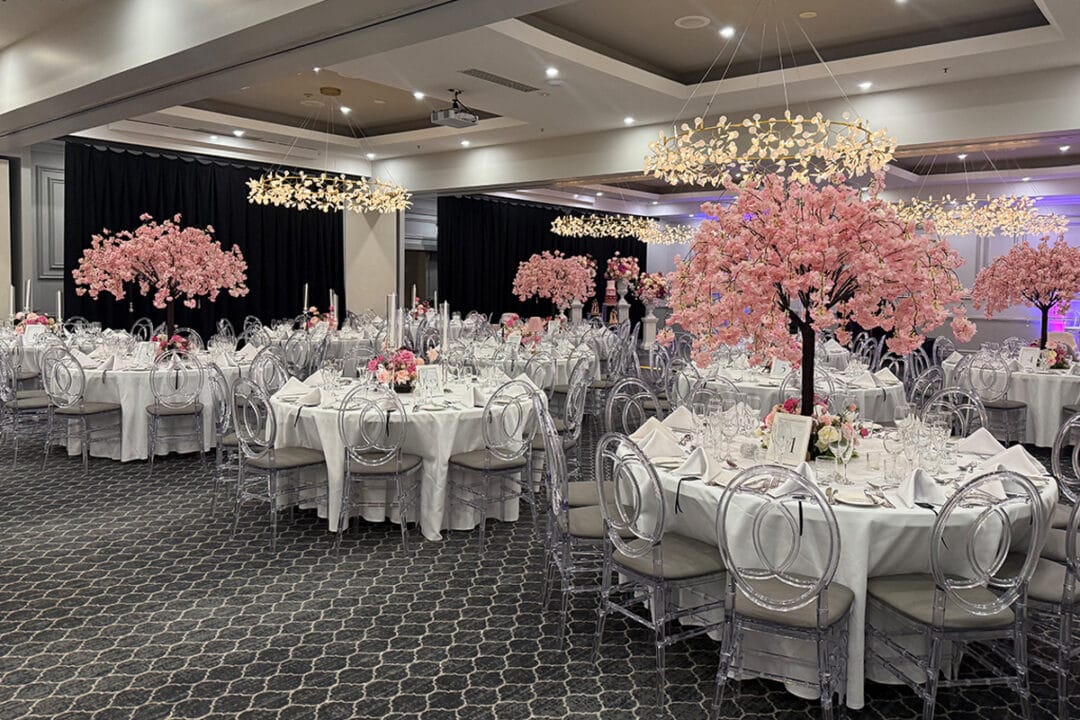
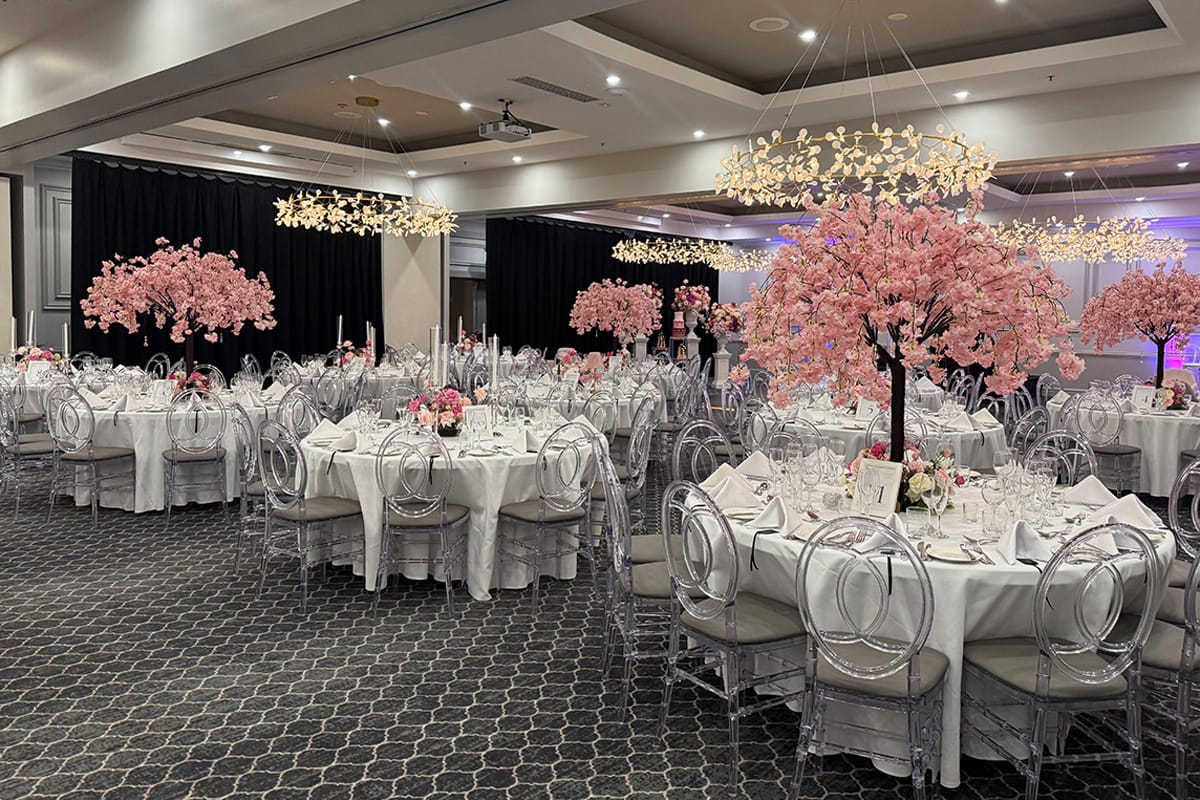
For corporate events, event design and styling should never feel separate from strategy. The strongest outcomes happen when visual direction supports the audience, the brand, and the way the event needs to function. Whether the occasion is a conference, gala dinner, product launch, or executive gathering, thoughtful event design and styling help the experience feel considered, cohesive, and professionally delivered.
Why event design and styling matters beyond aesthetics
The look and feel of an event begins influencing people before a presentation starts or a conversation begins. Guests notice the atmosphere, the layout, the lighting, the finishes, and whether the environment feels aligned with the occasion. That first read happens quickly, and in corporate settings it carries real weight.
A well-resolved event environment can help the occasion feel organised, credible, and professionally managed. It gives clients, stakeholders, sponsors, and attendees confidence that the event has been planned with care. In high-visibility settings, that sense of confidence matters just as much as the visual impression itself.
Event design and styling is the visual and spatial shaping of an event environment so it supports the event’s purpose, brand, and guest experience. In corporate events, it goes beyond decoration. It helps create clarity, atmosphere, and a more polished experience from arrival through to departure.
What event design and styling actually includes
Good event design and styling is rarely about one decorative layer. It is the combination of multiple visual, spatial, and functional decisions working together to create a unified result. That is why styling should be considered as part of the wider event plan rather than something added near the end.
In practice, event design and styling may include:
- visual concept direction and mood
- colour palette and material choices
- stage and focal point styling
- table settings and guest-facing details
- signage and branded touchpoints
- furniture, layout, and styling range selection
- lighting choices that shape atmosphere
- decorative elements that support, rather than overpower, the event purpose
When these elements are planned together, the event feels more resolved. Guests are not responding to one attractive detail in isolation. They are moving through a complete environment that feels intentional from one touchpoint to the next.
Where event design and styling has the biggest impact on guest experience
Event design and styling influences how guests enter, move, engage, and remember the occasion. A strong arrival experience sets the tone immediately. Registration zones, welcome signage, lighting, and first visual impressions all contribute to whether the event feels confident and well managed or fragmented and rushed.
The same applies once guests move deeper into the space. Seating layouts, networking zones, presentation areas, stage design, and branded elements all affect how easy the event feels to navigate. A room can look impressive in photographs, but if it creates awkward bottlenecks, poor sightlines, or disconnected zones, the guest experience weakens quickly.
This is where styling and functionality need to work together. Good event design and styling is not only about what looks polished. It is also about what helps people feel comfortable, oriented, and engaged throughout the event.
In corporate environments, these details matter because the event is often reflecting on the organisation itself. The guest experience becomes part of the brand experience.
Good styling decisions should support function as well as presentation
In business events, styling choices need to support how the event works, not just how it looks. Furniture placement, table layouts, stage positioning, registration flow, and access points all influence how guests move through the environment and interact with the content.
When these practical considerations are addressed early, the event feels easier to navigate and more comfortable to experience. Guests are less likely to encounter awkward transitions, crowded touchpoints, or beautiful areas that do not support the way the event actually runs.
That balance is what often separates a visually pleasing event from a professionally resolved one. Event design and styling should reinforce function, not compete with it.
How event design and styling supports brand clarity
In corporate events, event design and styling works best when it reflects something bigger than aesthetics alone. It should support the event message, the audience, and the organisation behind it. When visual direction is aligned to the brand, the environment feels more cohesive and more credible.
Colour, signage, stage design, print materials, furniture choices, presentation details, and digital touchpoints all shape how the event is perceived. When those elements are aligned, the experience becomes easier for guests to understand. The event feels deliberate rather than pieced together.
A strong branded environment does not need to feel loud or overstated. In many cases, the most effective event design and styling decisions are the ones that feel seamless. They create consistency across the space, strengthen recognition, and help the event reflect the organisation in a clear and professional way.
For organisations delivering high-visibility events, this is one reason many teams invest in integrated event styling & design rather than treating styling as a standalone decorative layer.
Event design and styling directions that suit different business events
Not every corporate event needs the same visual treatment. The environment should reflect the format, the audience, and the kind of impression the event needs to create.
Modern minimal
A modern minimal approach works well for executive events, leadership briefings, and polished brand experiences where clarity and restraint matter. Clean lines, disciplined colour use, and carefully chosen focal elements help the event feel sharp and professional without unnecessary visual noise.
Elevated black-tie
For gala dinners, awards nights, and high-profile celebrations, a more elevated styling direction can create a stronger sense of occasion. Rich finishes, considered lighting, and refined tablescapes help the event feel special while still maintaining a professional corporate tone.
Brand-led visual styling
Some events benefit from a stronger visual link to the organisation itself. Product launches, internal culture events, and public-facing business experiences often work best when brand colours, language, and design cues are incorporated with purpose and consistency.
Warm contemporary
A warmer contemporary direction is often suited to networking events, client functions, and people-focused business events. Softer textures, layered lighting, and a more welcoming visual atmosphere can help the space feel engaging without losing polish.
Themed but restrained
Themes can work well in corporate settings when they are handled with discipline. The goal is not to create something theatrical for the sake of it. It is to develop a clear visual direction that makes the event more memorable while still feeling aligned with the audience and the purpose of the occasion.
Common event design and styling mistakes that weaken the overall result
Even well-intentioned event design and styling can lose impact when the direction is not resolved clearly enough. Some of the most common mistakes include:
- choosing styling elements without a clear overall concept
- overdecorating instead of editing with purpose
- creating visual moments that do not suit the audience or event format
- using brand elements inconsistently across touchpoints
- focusing on appearance while overlooking flow, function, or visibility
These issues can make an event feel disjointed, even when individual pieces look strong on their own. The most effective event design and styling decisions are usually the ones that support the event as a whole rather than trying to force attention onto every element in the room.
Styling and production work best when they are planned together
The strongest event environments rarely come from styling decisions made in isolation. Styling and production work best when they are considered together, because visual impact depends on how the space functions in real time. Layout, staging, signage, lighting, and technical delivery all influence how the final event is experienced.
When these elements are aligned early, the event feels more cohesive from every angle. A stage design makes more sense in the room. Lighting supports the atmosphere rather than fighting it. Signage feels integrated rather than added at the last minute. The result is a more polished environment that supports both presentation and practicality.
This joined-up approach becomes especially important in conferences, gala dinners, and large-format business events where guest movement, stage focus, visibility, and timing all need to work smoothly. It is one reason event design and styling often sits best alongside broader event management planning rather than being handled separately.
What to consider before event design and styling decisions are locked in
Event design and styling is strongest when it responds to the realities of the event rather than forcing a concept onto the space. Before visual direction is finalised, it helps to assess the venue, audience type, event objectives, program format, and practical limitations that may affect delivery.
Budget also matters, but not just in terms of what can be afforded. It matters in terms of prioritisation. Some events benefit most from stronger stage impact. Others need better registration presentation, table styling, networking atmosphere, or brand consistency across the full guest journey. Knowing where event design and styling will make the biggest difference helps the event feel more strategic and less scattered.
This is particularly important for events such as gala dinners & awards nights, where atmosphere, timing, visual impact, and guest flow all need to come together in a way that feels polished from beginning to end.
Bringing event design and styling together with experience
Strong event design and styling gives a corporate event more than visual appeal. It helps bring together brand, atmosphere, function, and guest experience in a way that feels clear and professionally aligned. When the environment supports the purpose of the event, the whole experience becomes easier for guests to understand and remember.
That is why event design and styling should be treated as part of the wider event strategy rather than an afterthought. The most effective event environments are the ones that feel cohesive from the first guest touchpoint through to the final presentation detail.
For conferences, gala dinners, launches, and other business events, thoughtful event design and styling can make a meaningful difference. It helps the event feel more polished, supports a stronger brand presence, and creates an experience that reflects well on everyone involved.
Frequently Asked Questions: Event design and styling
What is event design and styling in a corporate event context?
Event design and styling is the planning of an event’s visual and spatial environment so it supports the purpose of the event, the brand, and the guest experience. In corporate settings, it goes beyond decoration and helps create a more polished, functional, and professionally aligned environment.
Why does event design and styling matter for corporate events?
It shapes first impressions, supports brand presence, and influences how guests experience the event from arrival to departure. When done well, it helps the event feel more cohesive, credible, and memorable for the right reasons.
How does corporate event styling support brand presence?
Corporate event styling brings brand elements into the environment through signage, colour, presentation details, layout, and visual consistency. This helps the event feel connected to the organisation rather than looking generic or disconnected from its purpose.
What is the difference between event design and event styling?
Event design usually refers to the broader planning of the event environment, including flow, layout, experience, and function. Event styling focuses more on the visual expression within that environment, such as décor, finishes, furniture, florals, and presentation details.
How do event themes work in corporate events?
In corporate events, a theme should guide the visual direction without overwhelming the purpose of the event. The strongest event themes help create a cohesive atmosphere while still feeling professional, relevant, and aligned to the audience.
Why should styling and production be planned together?
Styling and production affect how the space looks and how it performs during the event. Planning them together helps ensure the event feels cohesive, functions well, and supports practical needs such as lighting, staging, sightlines, and guest flow.
What types of corporate events benefit most from event design and styling?
Conferences, gala dinners, product launches, executive events, roadshows, and stakeholder-facing functions all benefit from thoughtful event design and styling. Any event with brand visibility, guest experience goals, or a high standard of presentation can gain value from a well-considered environment.
Why choose Pink Caviar Events for event design and styling?
Pink Caviar Events approaches event design and styling as part of a wider event strategy, not as a decorative extra. That means the environment is considered in relation to brand, audience, flow, production, and the overall experience, helping the event feel polished and professionally resolved.
To make your next corporate event feel polished, purposeful, and professionally aligned, contact Pink Caviar Events on 1300 884 800 or info@pinkcaviar.com.au. You can also fill out the form at the bottom of this page, or Book a Consultation.