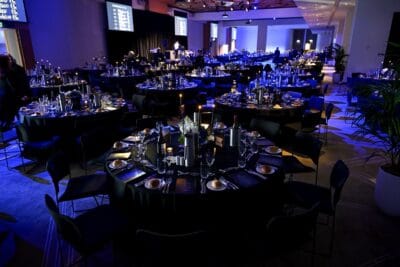
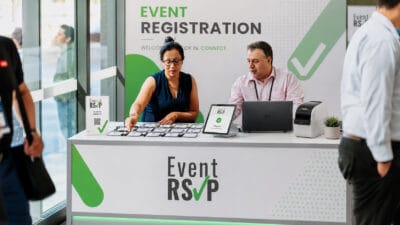
Sustainability has become part of how corporate events are judged, not just by internal teams, but by guests, suppliers, executives and stakeholders who expect decisions to be considered. A sustainable event is not a lower-impact version of a standard event. It is an event designed with clearer choices around venue, production, catering, materials, transport, waste and the guest experience from the beginning.
For corporate clients, the challenge is rarely whether sustainability matters. The harder question is how to make it practical without weakening the purpose, polish or professional standard of the event. Sustainable events work best when environmental decisions support the event strategy, rather than sitting beside it as a separate message. That means building sustainability into the brief, the supplier mix, the design process and the way the event is measured afterwards.
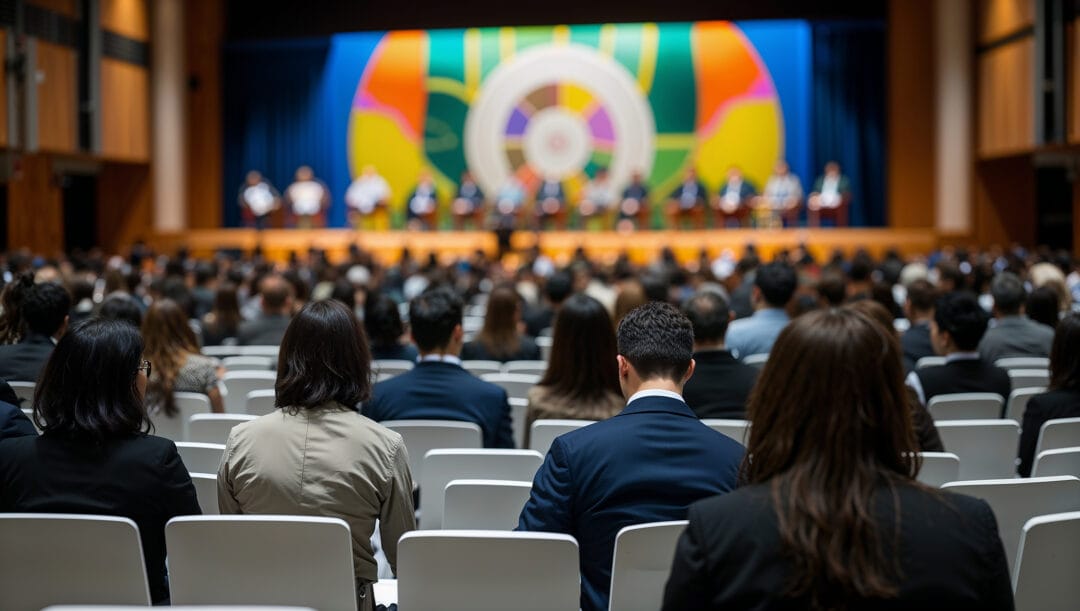
What Impact Means for Sustainable Corporate Events
Impact is often treated as a broad word, but in corporate event design it needs to be more specific. A sustainable event should reduce unnecessary waste and environmental impact, while still supporting the business reason the event exists. That may be stakeholder engagement, brand trust, employee recognition, product education, member value or executive communication.
For corporate clients, impact also has a reputational layer. Guests notice whether an event feels excessive, thoughtful, wasteful or well considered. So do internal teams. A room full of single-use materials, overproduced signage or untouched catering can send a different message from the one intended, even when the event itself runs smoothly.
The aim is not to strip the event back until it feels bare. It is to make better decisions about where quality matters most. A strong sustainable event may use fewer physical elements, but choose them more carefully. It may reduce printed items, but improve digital communication. It may simplify styling, but create a stronger visual direction through reusable pieces, lighting, florals, textures or venue features already in place.
That is where sustainability and premium event design can work together. Both rely on intention.
Build Sustainability Into the Event Brief Early
Sustainability becomes much easier to manage when it is part of the event brief from the start. If it is added late, the options are usually narrower, more expensive or harder to explain internally. Venue contracts may already be signed. Styling may already be scoped. Catering, signage and production choices may already be moving through approval.
A stronger brief sets the expectations early. What does the organisation want to reduce? Waste, printed materials, supplier travel, food excess, single-use items, energy use or unnecessary freight? Which choices matter most to the audience? Which decisions need to be visible, and which are simply good practice behind the scenes?
This is where structured corporate event management helps. The brief can connect sustainability with budget, brand standards, guest experience, supplier requirements and approval pathways, rather than treating it as a separate preference. It also gives internal teams a clearer way to justify choices to leadership, procurement or communications stakeholders.
For high-visibility events, the brief needs to account for more than logistics. It should consider who is in the room, what the event represents and how every major decision supports that purpose. The Parramatta Where It’s AT Event is a useful example of stakeholder-facing event planning where logistics, guest movement, registration and event delivery had to support a broader civic and business context. Sustainable thinking works best in the same way: planned into the structure, not added as decoration.
Choose Venues, Suppliers and Materials With Intention
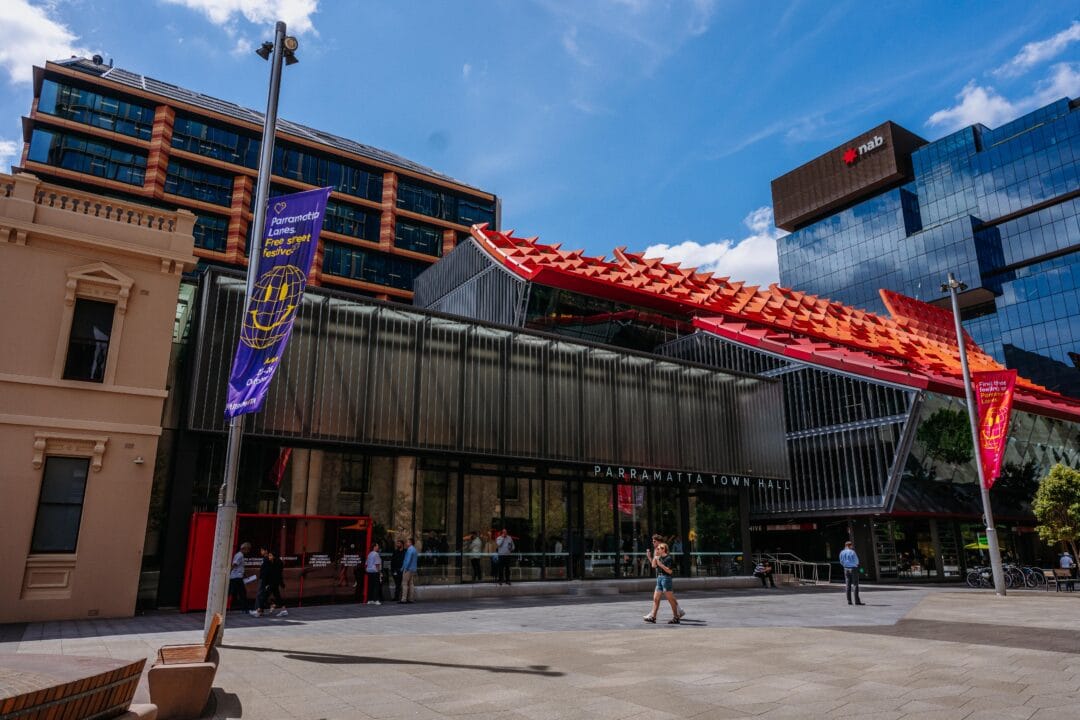
Many sustainability decisions are shaped before the event design is fully visible. Venue location, loading access, supplier travel, kitchen capability, waste handling and existing infrastructure can all influence the environmental footprint. A venue that already has strong sustainability practices, accessible transport options and suitable in-house systems can reduce the need for extra materials, freight or workaround solutions.
Business Events Australia notes that sustainability across business events includes reducing environmental impact, minimising waste and supporting more responsible industry practices. For corporate clients, that means venue and supplier selection should be part of the sustainability strategy, not a separate sourcing task. The right partners can help reduce excess without making the event feel underdone.
Practical decisions may include:
- choosing a venue with public transport access and suitable waste systems
- using digital signage, which improves clarity and reduces print waste
- selecting seasonal menus and confirming realistic catering numbers
- reducing single-use merchandise or replacing it with useful, durable items
- designing with reusable styling pieces, modular builds or existing venue features
- consolidating supplier deliveries where possible to reduce unnecessary movement
This is also where styling and production need to work together. A sustainable event does not have to look sparse. It needs a clear visual direction, fewer throwaway elements and stronger choices around materials, layout, lighting and guest flow. The most effective result is often not the most elaborate design. It is the design where every visible element has a reason to be there.
Keep the Guest Experience Polished and Practical
Guests should not feel that sustainability has made the event harder to navigate, less comfortable or less considered. The strongest sustainable events often feel smooth because the decisions have been made before guests need to think about them. Registration is clear. Catering is well matched to the audience. Signage is useful without being excessive. The room feels intentional, not stripped back.
This matters for corporate events because sustainability is part of the guest experience. If a digital program is replacing printed material, it needs to be easy to access. If catering is designed to reduce waste, service timing and quantities still need to feel generous and well-managed. If reusable styling pieces are used, they need to support the event identity rather than look like a cost-saving measure.
The premium standard comes from how each choice is integrated. A sustainable menu can still feel refined. A lower-waste registration process can still feel polished. A simpler room design can still carry presence through lighting, layout, texture and focal points. The goal is not to ask guests to notice every sustainable decision. It is to make the event feel well-designed because those decisions were handled with care.
Make Sustainability Measurable, Not Performative
Sustainability can lose credibility when it is treated as a theme rather than a set of choices that can be explained. Corporate clients do not need to turn every event into a formal sustainability report, but they do need enough evidence to support the claims they make. That might include supplier notes, waste reduction decisions, menu choices, signage changes, reuse plans or transport considerations.
EarthCheck’s business case for sustainable events highlights the link between sustainability, reputation, responsible operations and long-term event value. That is important for corporate teams because event sustainability is not only about what happens in the room. It is also about whether the organisation can stand behind the decisions made before, during and after the event.
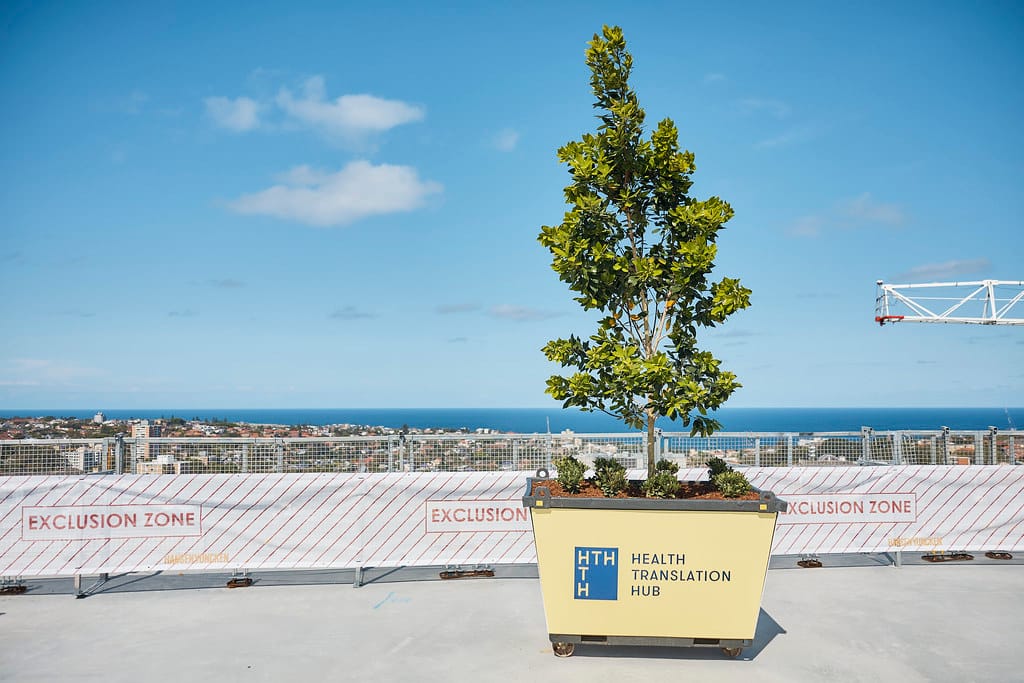
For conferences and stakeholder programs, conference event management can support this by keeping decisions structured across registration, supplier coordination, production, delegate movement and post-event review. The Health Translation Hub Topping Out Celebration shows how high-visibility events often need careful planning around stakeholders, timing, site conditions and delivery details. Sustainability benefits from the same level of discipline.
The key is to avoid vague language. Instead of saying an event was “eco-friendly”, it is stronger to identify what changed. Less printed material. Better catering estimates. Reusable styling. Local suppliers. Clearer waste planning. Reduced freight. Those details make sustainability more credible because they show what was actually done.
Sustainable Events Work Best When They Feel Designed In
Sustainability is most effective when it is not treated as a final layer. By the time an event reaches production, many of the most important decisions have already been made: where the event is held, how suppliers are chosen, how guests arrive, what materials are produced and how the experience is delivered.
For corporate clients, the opportunity is to make sustainability part of the event’s professional standard. That does not mean making the event smaller, quieter or less premium. It means designing with a clearer purpose, fewer unnecessary elements and stronger alignment between the event objective, audience expectations and operational choices.
The best sustainable events do not ask guests to choose between impact and experience. They show that both can sit inside the same well-planned event.
Frequently Asked Questions: sustainable events for corporate clients
What makes an event sustainable?
A sustainable event is planned to reduce unnecessary environmental impact while still meeting the event’s business, brand and guest experience objectives. This can include venue choice, supplier selection, catering, transport, signage, waste planning, materials and post-event review.
Can sustainable events still feel premium?
Yes. Sustainable events can feel premium when the design is intentional, the materials are well chosen and the guest experience is carefully managed. Premium does not need to mean excessive. It should mean considered, polished and aligned with the event purpose.
How early should sustainability be included in event planning?
Sustainability should be included at the briefing stage, before venues, suppliers, production and styling decisions are locked in. Early planning gives the event team more practical options and helps sustainability fit naturally within budget, guest experience and approval requirements.
What are the best ways to reduce waste at a corporate event?
Start with the areas that create the most visible waste, such as printed material, signage, catering, packaging, merchandise and disposable service items. Better guest number forecasting, reusable styling, digital communication and clear waste planning can all reduce excess without lowering the standard of the event.
How can corporate clients choose more sustainable event suppliers?
Corporate clients can ask suppliers about materials, sourcing, transport, packaging, reuse options, waste handling and reporting. The aim is not to make every supplier perfect, but to choose partners who can support responsible decisions and provide clear information when needed.
What role does venue selection play in sustainable events?
Venue selection can shape transport options, energy use, waste handling, catering systems and the amount of additional production required. A well-located venue with strong in-house systems can reduce unnecessary freight, materials and operational workarounds.
How can event sustainability be measured?
Event sustainability can be measured through practical indicators such as reduced print quantities, waste diversion, catering accuracy, supplier choices, reusable assets, transport considerations and post-event notes. The goal is to record real decisions, not create vague claims that cannot be supported.
Is carbon offsetting enough to make an event sustainable?
Carbon offsetting may play a role, but it should not replace better planning decisions. Reducing unnecessary emissions, waste and materials at the source is usually a stronger first step than relying on offsets after the event has already been designed.
How does Pink Caviar Events support sustainable corporate events?
Pink Caviar Events supports sustainable corporate events through structured planning, supplier coordination, styling and production decisions, guest experience design and practical event management. The focus is on helping sustainability sit inside the event brief and delivery process, rather than treating it as an add-on.
To discuss sustainable events for your organisation, contact Pink Caviar Events on 1300 884 800 or email us. You can also fill out the form at the bottom of this page, or Book a Consultation.