Corporate events are no longer just about logistics, schedules, and venues. As we move into 2026, businesses are rethinking how events support culture, connection, and brand experience. Event trends are shifting towards more meaningful, immersive, and flexible experiences that deliver real value for both attendees and organisations.
Event Trends Shaping Corporate Events in 2026
Current event trends show a clear move away from one-size-fits-all formats. Today’s corporate audiences expect events to feel purposeful, well-designed, and aligned with broader business goals. Whether it is an internal team event, a large-scale conference, or a brand activation, events are becoming an extension of how businesses communicate who they are and what they stand for.
Looking ahead to 2026, understanding emerging event trends is essential for organisations planning corporate events that feel relevant and impactful. From experience-led design and technology integration to sustainability and outsourced expertise, these trends are shaping the future of corporate events and redefining how businesses engage their people and stakeholders.
Experience-First Corporate Events
One of the most defining event trends shaping corporate events in 2026 is the shift towards experience-first planning. Businesses are moving beyond agenda-heavy formats and focusing on how an event makes people feel. The goal is no longer just attendance; it is connection, engagement, and memorability.
Current event trends show that attendees value moments that feel intentional and well-considered. This includes interactive environments, thoughtful pacing, and experiences that encourage conversation and participation rather than passive observation. Corporate events are increasingly designed to spark emotion, build relationships, and leave a lasting impression well after the event ends.
Experience-first events also allow brands to communicate their values in a more meaningful way. From the way guests are welcomed to how spaces are styled and programmed, every touchpoint contributes to the overall experience. For businesses, this approach turns corporate events into powerful tools for storytelling, culture-building, and brand alignment.
Data-Driven Event Planning and Measurement
Data is playing an increasingly important role in how corporate events are planned, delivered, and evaluated. One of the more practical event trends shaping 2026 is the shift towards using data to inform decisions rather than relying purely on instinct or past formats. Businesses want clearer insights into what works, what resonates, and where improvements can be made.
Current event trends show a stronger focus on measuring engagement and outcomes across the entire event journey. Attendance rates, session participation, feedback, and post-event responses are all being used to understand attendee behaviour and experience. These insights help organisations refine event formats, tailor content, and make more confident planning decisions for future events.
Data-driven planning also supports greater accountability. When event success can be measured against clear objectives, corporate events are easier to justify and optimise. This approach allows businesses to continuously improve their events, ensuring each experience delivers genuine value and aligns with broader business goals.
Current Event Trends in Corporate Event Design
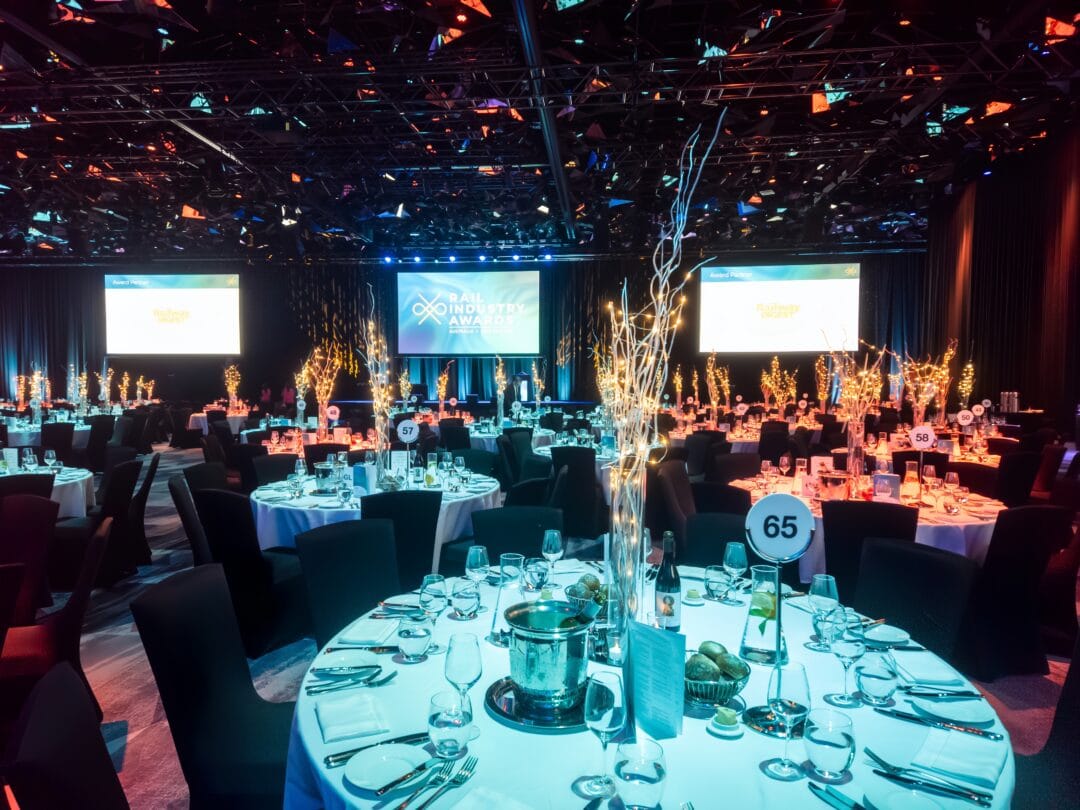
Design is playing a far more strategic role in corporate events as we move into 2026. Current event trends show that businesses are prioritising cohesive, brand-led environments rather than generic setups. Event design is now used to support messaging, reinforce identity, and guide how guests move through a space.
Corporate event design is increasingly focused on storytelling. This includes the use of intentional colour palettes, branded styling elements, and custom-built features that reflect a company’s values and objectives. Well-designed environments help attendees immediately understand the purpose of the event and feel connected to the brand behind it.
Another key shift is flexibility in design. Modular layouts, adaptable styling, and multi-use spaces allow events to evolve throughout the day. This approach supports different moments within the same event, such as networking, presentations, and social experiences, while maintaining a consistent look and feel.
Hybrid and Flexible Event Formats
Hybrid events are no longer seen as a temporary solution. They have become a permanent fixture in corporate event planning. One of the most consistent event trends for 2026 is the expectation that events offer flexibility in how people attend, participate, and engage. Businesses are designing events that work just as well for in-person audiences as they do for virtual attendees.
Current event trends show that successful hybrid events are intentionally planned, not treated as two separate experiences. Content, production, and engagement tools are designed to ensure remote attendees feel just as involved as those on site. This includes live-streamed sessions, interactive Q&A, and digital networking opportunities that mirror the in-room experience.
Flexibility also extends beyond hybrid delivery. Corporate events are increasingly designed to adapt to changing schedules, audience needs, and business priorities. Modular programs, scalable event formats, and multi-purpose spaces allow organisations to respond quickly while still delivering a polished and professional experience.
Technology-Driven Event Experiences
Technology continues to play a major role in shaping corporate events, but the focus in 2026 is on purposeful use rather than novelty. Event trends show that technology is most effective when it enhances engagement and simplifies the attendee experience, rather than distracting from it. The emphasis is on seamless integration that supports connection and interaction.
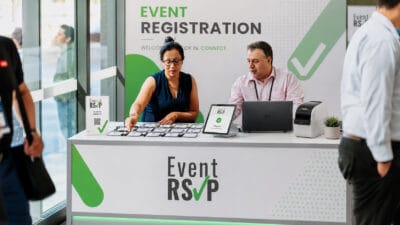
Current event trends highlight the growing use of event apps, digital check-ins, and interactive tools that keep attendees informed and involved. Features such as live polling, real-time feedback, and personalised agendas help create more dynamic and responsive events. These tools also provide valuable insights for organisers, allowing them to measure engagement and refine future event planning strategies.
Emerging technologies are also influencing how events are planned and experienced. Augmented and virtual reality tools are being used to visualise event layouts, preview styling concepts, and enhance on-site experiences. When used thoughtfully, technology becomes a powerful support system that elevates the overall event experience without overshadowing the human element.
Personalisation and Audience-Led Event Experiences
Personalisation is becoming one of the most influential event trends for corporate events in 2026. Businesses are recognising that audiences expect events to feel relevant to their role, interests, and reason for attending. Moving away from generic programming allows organisations to create experiences that feel more considered and engaging.
Current event trends show an increase in audience-led planning, where attendee needs guide event structure and content. This can include tailored agendas, flexible session choices, and varied networking formats that suit different personality types and objectives. By designing events around the audience rather than the schedule, businesses can improve participation and overall satisfaction.
Personalised event experiences also strengthen connection and impact. When attendees feel seen and considered, engagement naturally increases. For corporate events, this approach supports stronger relationships, clearer messaging, and more meaningful outcomes, whether the audience is internal teams, clients, or industry stakeholders.
Sustainability and Purpose-Led Events
Sustainability has moved from a nice-to-have to a core expectation in corporate event planning. One of the most influential event trends for 2026 is the growing focus on purpose-led events that reflect a company’s values and social responsibility. Businesses are increasingly aware that how an event is delivered is just as important as the message it communicates.
Current event trends show a stronger emphasis on conscious decision-making across all aspects of an event. This includes working with ethical suppliers, reducing waste, and choosing reusable or modular styling elements. Sustainable practices are no longer seen as restrictive, but as an opportunity to design smarter, more intentional events.
Purpose-led events also create deeper connections with attendees. When sustainability and responsibility are embedded into the event experience, it reinforces trust and credibility. For corporate organisations, this approach aligns events with broader ESG goals while still delivering polished, engaging, and memorable experiences.
Employee-Focused Corporate Events
Employee-focused events are becoming a central part of corporate event strategies as businesses place greater emphasis on culture, wellbeing, and retention. One of the key event trends for 2026 is the shift towards events designed specifically to support employee engagement rather than purely external audiences. Internal events are now seen as valuable investments in people, not just calendar fillers.
Current event trends show growing demand for experiences that prioritise connection and inclusivity. Team-building activities, wellness-focused events, and informal networking formats are being favoured over rigid, formal structures. These events create space for employees to connect authentically, recharge, and feel recognised within the organisation.
Employee-focused corporate events also play an important role in reinforcing company values. Thoughtfully planned experiences can strengthen culture, improve morale, and support long-term engagement. When employees feel considered and valued through well-executed events, the impact extends far beyond the event itself and into everyday workplace culture.
The Shift Towards Outsourced Event Expertise
As corporate events become more complex, many organisations are choosing to outsource event planning and delivery to specialist partners. One of the most practical event trends for 2026 is the growing reliance on experienced event teams who can manage strategy, logistics, and execution under one roof. This allows internal teams to stay focused on core business priorities.
Current event trends show that businesses value consistency, risk management, and scalability when it comes to events. Outsourcing provides access to established supplier networks, proven processes, and on-the-ground expertise that can adapt quickly to change. This is especially important for organisations managing multiple events across the year or delivering high-stakes corporate experiences.
Working with an external event partner also brings a fresh perspective. Specialist teams stay across emerging event trends, new technologies, and evolving audience expectations. For businesses, outsourcing is no longer just about saving time; it is about elevating event quality, ensuring compliance, and delivering consistently strong outcomes across every corporate event.
Looking Ahead at Event Trends for 2026
As we move into 2026, it is clear that corporate events are evolving into more strategic, experience-led tools for engagement and connection. Event trends are no longer driven by aesthetics alone, but by purpose, flexibility, and the desire to create meaningful experiences that align with business objectives.
Current event trends highlight a shift towards thoughtful design, hybrid formats, purposeful technology, and values-driven decision-making. Businesses that stay ahead of these trends are better positioned to deliver corporate events that feel relevant, engaging, and impactful for both internal teams and external audiences.
Understanding and responding to emerging event trends allows organisations to plan with confidence and intention. Whether it is rethinking how employees connect, how brands tell their story, or how events are delivered at scale, the future of corporate events lies in experiences that are well-considered, adaptable, and genuinely memorable.
Frequently Asked Questions: Corporate Event Trends
Why are current event trends important for corporate event planning?
Current event trends help businesses plan events that feel relevant, engaging, and aligned with audience expectations. Staying informed allows organisations to design corporate events that support business goals while delivering stronger experiences for attendees.
How are businesses using event trends to improve employee engagement?
Businesses are applying event trends to create more inclusive, experience-led internal events. This includes team-focused formats, wellbeing initiatives, and personalised experiences that strengthen culture, connection, and morale.
How do event trends influence corporate event design and styling?
Event trends are shaping more intentional and brand-led design choices. Corporate event styling now focuses on cohesive themes, storytelling, and flexible environments that enhance the attendee experience and reflect company values.
How can businesses apply event trends to their corporate events with Pink Caviar Events?
Pink Caviar Events works closely with organisations to translate event trends into practical, well-executed corporate events. By combining strategic planning, creative design, and experienced delivery, emerging trends are applied in a way that aligns with business objectives and audience needs.
How far in advance should businesses plan corporate events based on current event trends?
Most corporate events benefit from planning several months in advance, particularly when incorporating new formats or technologies. Allowing sufficient lead time helps businesses adapt current event trends thoughtfully rather than rushing implementation.
To create a corporate event that leaves a lasting impression, contact Pink Caviar Events on 1300 884 800, email us or book a consultation.