Virtual tour experiences give organisations a more interactive way to capture, preserve and showcase an event environment. Instead of relying only on photos or video, a virtual tour allows people to explore the room, styling, layout, scale and atmosphere in a self-guided way after the event.
For corporate events, a virtual tour can become a lasting record of what was delivered. It may capture a conference, gala dinner, exhibition, product showcase, milestone celebration, venue setup or branded event space, giving clients, stakeholders and future guests a clearer view of the experience beyond the live event itself.
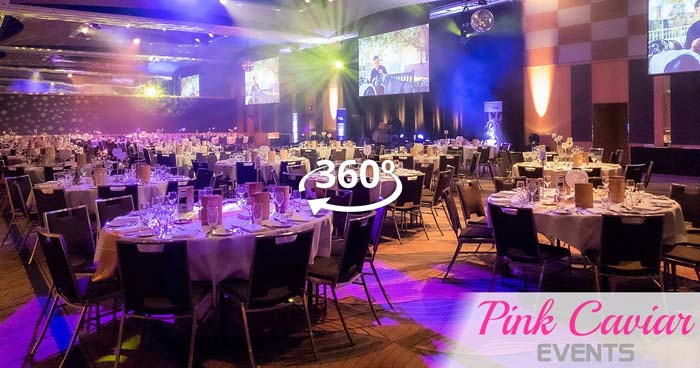
Explore Pink Caviar Events’ 360 virtual tour portfolio to see how gala dinners, corporate boardrooms, charity fundraisers and themed events can be captured in an interactive format that shows the room layout, styling and atmosphere beyond a standard image gallery.
What Is a Virtual Tour Experience?
A virtual tour experience is a digital walkthrough that allows people to explore a space, event environment or showcase online. Instead of presenting the event through selected images or a fixed video sequence, a virtual tour gives viewers more control over what they see and how they move through the space.
For events, this is useful when the room itself has value beyond the live moment. A 360 virtual tour can capture an exhibition, sponsor showcase, conference environment, venue layout, gala dinner setup, themed space or branded installation so it can be viewed, shared and revisited after the event.
Pink Caviar Events works with Simply 360 to create interactive 360 virtual tour experiences that capture event spaces in a more complete way. This is particularly useful when the layout, styling, branding, room flow, cultural value or atmosphere forms part of what needs to be shown and preserved.
For organisations considering digital access as part of their event planning, event tech solutions can help support the right format, structure and user experience.
Why Virtual Tours Still Matter for Events
Virtual events may no longer be the default format, but virtual tours still have strong value when they are used with purpose. A virtual tour can help preserve the look, feel and structure of an event in a way that standard photography may not fully capture.
This is especially useful when the event environment is part of the message. Conferences, gala dinners, exhibitions, product showcases, sponsor activations, milestone celebrations and branded spaces can all benefit from an interactive record that allows people to explore the setup after the event has passed.
A virtual tour can also help capture events with cultural, historical or organisational significance. For a company anniversary, industry milestone, major opening, awards night or legacy event, the tour becomes more than a marketing tool. It becomes a record of a moment that may be important to revisit, share and preserve.
The article on 360 virtual tours for corporate events and conferences discusses how this format can show event setups, services and spaces in a more complete way than standard photos or video.
How Virtual Tours Capture the Event Experience
A virtual tour can give an event more value after the live moment has ended. Instead of relying only on selected images, highlight reels or a written recap, organisations can provide a more practical way to explore the event environment.
Virtual tours can help capture:
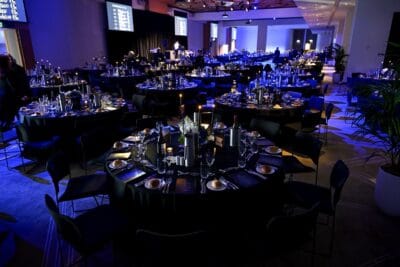
- Room layouts, table settings and floor plans
- Styling, theming, lighting and production details
- Sponsor displays, product zones and branded installations
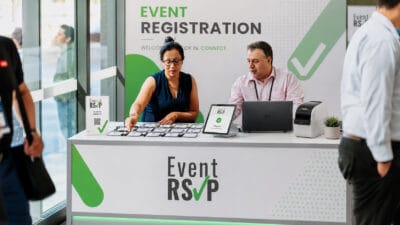
- Registration areas, entry moments and guest flow
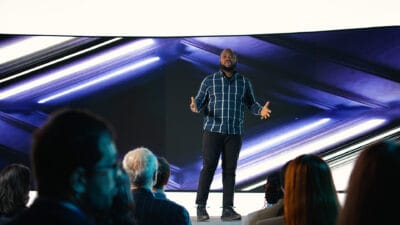
- Conference spaces, exhibition stands and networking zones
- Gala dinner, awards night or showcase environments
- Milestone, cultural or historical event details
- The overall atmosphere, size and scale of the event
This does not mean every event needs a virtual tour. The format is strongest when the space itself matters. If the design, content, sponsors, styling, venue or guest journey are important to the event’s value, a virtual tour can help preserve and showcase that experience.
When to Use a 360 Virtual Tour
A 360 virtual tour is most useful when the event environment deserves to be explored, not just documented. It can allow viewers to move through a space, look around key areas and engage with important details at their own pace.
This format can work well for exhibitions, conferences, product showcases, sponsor zones, venue launches, trade displays, gala dinners, awards nights and branded environments. It can also be valuable when the event setup needs to be shared with clients, internal teams, interstate stakeholders or future decision-makers.
Through 360/VR tours, organisations can create a more visual record of an event environment. A fully interactive and immersive 360 virtual tour can also include navigation, branding and interactive points that guide people through the space.
A VR headset is not required to view a 360 virtual tour, but VR compatibility can add another layer of depth. For some viewers, it can create the feeling of being inside the event space, which may be useful when showing the size, layout and atmosphere of a room.
Virtual Tour Ideas for Corporate Events
Virtual tour experiences can support a range of corporate event formats, particularly when the space, content or stakeholder experience has value beyond the live event. The strongest use cases are usually those where people benefit from being able to explore, revisit or understand the environment in more detail.
Virtual tour ideas for corporate events include:
- Conference environments: Capture the plenary space, exhibition area, registration zone and branded touchpoints.
- Product showcases: Allow clients, buyers or internal teams to explore product displays after the event.
- Sponsor activations: Help sponsors extend the visibility of their stand, display or branded installation.
- Venue previews: Give guests, partners or decision-makers a clearer view of an event space or setup.
- Awards and gala environments: Capture room styling, stage design, sponsor presence and event atmosphere.
- Milestone celebrations: Preserve company anniversaries, opening events, topping-out ceremonies or industry achievements.
- Training or induction events: Allow staff or stakeholders to revisit key spaces, displays or information points.
- Client presentations: Use the tour as a visual example of what can be achieved in a particular venue or event format.
The right idea depends on what the audience needs from the experience. A virtual tour should make the event easier to understand, easier to share or easier to remember. When it has a clear purpose, it becomes a useful extension of the event rather than a separate digital add-on.
Virtual Tours for Venues and Future Event Promotion
Virtual tours can also help venues show their spaces more clearly to potential clients, partners or event organisers. A venue may use a tour to show room size, ceiling height, layout options, access points, accommodation, breakout areas, outdoor spaces or different event setups.
This is useful because venue images can sometimes make a space feel larger, smaller or less practical than it really is. A virtual tour gives viewers more control. They can look around the room, understand the flow and assess whether the space suits their event before committing to an inspection.
For hotels, venues and event spaces, virtual tours for hotels and venues can become a practical sales and marketing tool. They can help prospective clients explore a space from their office or home, then use that understanding to make more informed decisions.
For event organisers, this can also support future planning. A captured event setup can show how a venue looked when styled, branded and used for a real event, giving future clients a stronger sense of what is possible.
Creating a More Immersive Guest Experience
A virtual tour experience should be more than a digital record of the room. The best examples help viewers understand the space, move through it easily and engage with details that matter. This might include navigation points, branded areas, sponsor information, product displays, embedded content or clear pathways through the environment.
For corporate events, immersion does not need to mean complexity. It can be as simple as helping viewers move from the entry point to the main event space, then through key zones such as registration, exhibition stands, stage areas, dining spaces or feature installations. The experience should feel intuitive, not overwhelming.
The most effective virtual tours are planned with the viewer in mind. A client may want to understand the event atmosphere. A sponsor may want visibility of their activation. A leadership team may want a clear record of what was delivered. A venue may want to show how its spaces can be used. When the tour is structured around those needs, it becomes a useful extension of the event experience.
Planning Virtual Tour Experiences With Pink Caviar Events
Planning a virtual tour experience starts with deciding what the audience needs to see, understand or revisit. The tour should have a clear role in the broader event strategy, whether that is showcasing a space, supporting sponsors, recording a setup, preserving a milestone or giving stakeholders a more useful post-event resource.
Pink Caviar Events can help organisations consider where a virtual tour fits within the wider event plan. This may include identifying the right event areas to capture, coordinating timing with suppliers, aligning the tour with the guest journey and ensuring the digital experience supports the purpose of the event.
For larger business events, professional event management helps keep the live and digital elements aligned. The virtual tour should feel like a natural extension of the event, not a separate piece of content created after the fact.
A well-planned virtual tour gives people another way to engage with the event. It can help extend the value of the investment, provide useful visibility for stakeholders and create a more complete record of the experience delivered.
Final Thoughts on Virtual Tour Experiences
Virtual tour experiences are most valuable when they capture the event environment in a way people can explore, understand and revisit. They are not a replacement for the live event, but they can preserve the space, styling, layout, scale and atmosphere in a more interactive format.
For corporate events, this can be useful when the room setup, guest journey, sponsor presence, milestone value or visual design forms part of the event’s impact. A strong virtual tour gives clients, stakeholders and future guests a clearer sense of what was delivered.
Pink Caviar Events works with trusted providers, including Simply 360, to help organisations capture event spaces in a way that feels useful, polished and aligned with the broader event purpose. The result is a more complete record of the event, giving people a way to explore the space, understand the atmosphere and revisit the experience after the live moment has passed.
Frequently Asked Questions: Virtual Tour Experiences
What is a virtual tour experience?
A virtual tour experience is an interactive digital walkthrough that allows people to explore a space or event environment online. For events, it can capture the room layout, styling, branding, scale and atmosphere in a more self-guided way than standard photos or video.
How can virtual tours be used for corporate events?
Virtual tours can be used to capture conferences, gala dinners, exhibitions, product showcases, sponsor activations, venue setups and branded event spaces. They are useful when the event environment has value beyond the live event and needs to be shared, reviewed or preserved.
What is the difference between a virtual tour and a video?
A video guides viewers through a fixed sequence, while a virtual tour allows people to explore the space more independently. Viewers can move through different areas, look around the room and focus on the details most relevant to them.
When should an event use a 360 virtual tour?
A 360 virtual tour is useful when the space itself is important to the event’s value. This may include a conference layout, exhibition zone, gala dinner room, sponsor display, product showcase, milestone celebration, venue setup or themed event environment.
Can a virtual tour help preserve a milestone event?
Yes, a virtual tour can help preserve a milestone event by capturing the space, styling, branding, layout and atmosphere in an interactive format. This can be useful for company anniversaries, openings, awards nights, cultural events and historically significant occasions.
Are Simply 360 virtual tours VR compatible?
Yes, Simply 360 virtual tours are VR compatible. A headset is not required to view the tour, but VR compatibility can add another layer of depth by allowing viewers to feel more immersed in the event space.
Can virtual tours help venues promote their spaces?
Yes, virtual tours can help venues show room size, layout, flow, styling options, access points and atmosphere more clearly. This can help prospective clients understand the space before arranging an inspection or choosing a venue for their event.
How does Pink Caviar Events use virtual tours?
Pink Caviar Events uses virtual tours to help capture and showcase event spaces in a more interactive way. This can give clients and stakeholders a clearer view of room layouts, styling, branding, sponsor areas, guest flow and the overall event atmosphere.
Who creates virtual tours for Pink Caviar Events?
Pink Caviar Events works with Simply 360 to create interactive 360 virtual tour experiences for event spaces. Their work helps show room layouts, styling, branded areas and event environments in a more complete and visual format.
To discuss virtual tour experiences for your next event, contact Pink Caviar Events on 1300 884 800 or email us. You can also fill out the form at the bottom of this page, or Book a Consultation.