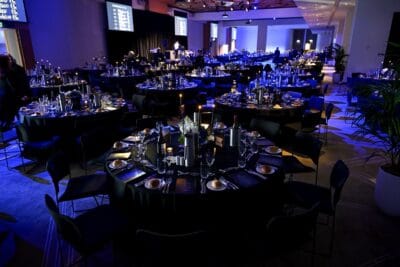
Event coordination is the practical support that keeps an event moving once the planning turns into real-time delivery. It connects people, suppliers, timing, guest flow and communication so the event feels organised, calm and professionally managed from arrival through to close.
Even the strongest event plan needs steady coordination on the day. Guests arrive, suppliers ask questions, speakers need guidance, timings shift, and small details need quick decisions. With the right coordination in place, each moving part has support, and hosts can stay focused on their guests, stakeholders and purpose.

What Event Coordination Means
Event coordination is the connection point between an approved event plan and the live experience. It is where schedules, suppliers, venue requirements, guest movements and communication are kept aligned so the event can progress with confidence.
While event planning focuses on decisions made before the event, coordination is about keeping those decisions working together in real time. It gives the event structure once people begin arriving, suppliers start setting up, and the program moves from one moment to the next.
Event coordination may support:
• Supplier arrivals and communication
• Venue access and room readiness
• Event run sheets and timing checks
• Registration, guest flow and wayfinding
• Speaker, host or presenter movements
• Catering, AV, styling and entertainment timing
• Practical issue management during the event
• Communication between internal teams and external suppliers
Good coordination is often most visible when guests do not notice it. The room feels ready, the program moves naturally, suppliers know where they need to be, and hosts are not pulled away from the people they are there to engage.
Why Event Coordination Matters on the Day
Events become live environments the moment suppliers arrive, rooms are opened, guests begin moving through the space, and the program starts to unfold. Even with detailed planning, the day itself requires calm oversight and clear communication.
An event coordinator helps keep the event moving when timing shifts, suppliers need direction, or internal teams need quick answers. This support is especially valuable when hosts, presenters or executives need to stay focused on guests rather than operational details.
For larger or more complex events, a professional event crew can also support registration, wayfinding, guest movement, set-up, pack-down and on-site coordination. This gives the event a stronger delivery structure and helps the experience feel more organised from the guest’s perspective.
Good event coordination is not about controlling every moment. It is about knowing what should happen next, who needs to be informed and how to keep the event steady when small changes occur.
The Difference Between Event Planning and Event Coordination
Event planning and event coordination are closely connected, but they are not the same. Planning shapes the event before it happens. Coordination keeps the plan working when the event is in motion.
Planning usually includes decisions around objectives, venue, budget, suppliers, styling, invitations, catering, entertainment, AV and the overall event structure. These decisions create the framework for the event.
Coordination focuses on delivery. It helps ensure suppliers know where to go, timings are monitored, the venue team has what they need, guests are supported, and internal stakeholders are kept informed.
This distinction matters because a well-planned event can still feel disjointed without clear coordination. Event coordination gives the plan practical support so that the event can move from preparation to delivery with fewer interruptions and more confidence.
Keeping Suppliers, Timelines and Details Aligned
Event coordination often matters most in the details that sit between suppliers, timelines and venue requirements. A change in one area can quickly affect another, so someone needs to keep the moving parts connected.
Supplier arrivals, room access, catering timing, AV checks, styling placement, entertainment cues and registration set-up all need practical oversight. The event run sheet becomes the shared reference point, but coordination gives that document life on the day.
Clear coordination helps keep attention on:
• Supplier arrival times and bump-in requirements
• Venue access, loading areas and room readiness
• Catering service times and dietary notes
• AV checks, microphones, presentations and speaker support
• Styling, signage and furniture placement
• Entertainment cues and formalities
• Registration, guest flow and directional support
• Pack-down timing and supplier departures
When these details are aligned, the event feels smoother for guests and less demanding for the team behind it. It also helps suppliers work with greater clarity, because they know what is expected and who to speak to when questions arise.
Supporting Internal Teams and Hosts
Internal teams often carry responsibility for the event while also managing their usual work. They may be looking after executives, speakers, guests, suppliers, marketing, communications, approvals or stakeholder relationships at the same time.
Event coordination helps reduce that pressure by giving the event a central point of contact. Instead of every question moving through the host or internal organiser, suppliers and venue teams have someone focused on the delivery details.
This is also where strong project collaboration matters. When information is shared clearly, and the right people know what is happening, decisions can be made faster, and the event is easier to manage.
For hosts, this support makes a visible difference. They can greet guests, speak with stakeholders and stay present during key moments, rather than stepping away to solve timing, supplier or room-flow issues.
How Event Coordination Protects the Guest Experience
Guests rarely see the full amount of work behind an event. They notice whether arrival feels clear, whether staff seem prepared, whether the room is ready and whether the program moves without awkward pauses or confusion.
Event coordination protects the guest experience by keeping attention on how the event feels from the attendee’s perspective. It helps make sure guests are welcomed, directed and supported at the right moments, without the experience feeling over-managed.
This matters across corporate events, conferences, brand activations, awards nights and leadership functions. A guest who feels informed and considered is more likely to stay engaged, move through the event confidently and remember the experience positively.
The best coordination also helps hosts stay present. When someone else is managing supplier questions, timing checks and practical details, hosts can focus on conversations, formalities and relationship-building. That visible confidence shapes how guests experience the event.
In this way, event coordination does more than support logistics. It helps protect the event’s tone, pace and professionalism from the guest’s first arrival to their final departure.
Event Coordination for Corporate and Business Events
Corporate and business events often involve more than one audience group. Executives, staff, clients, sponsors, speakers, suppliers, venue teams and external guests may all have different needs across the same event. Strong coordination helps keep these expectations aligned.
This is where stakeholder management becomes part of successful event delivery. The event coordinator is not only managing timing and suppliers. They are also helping information move clearly between the people who influence the outcome.
For corporate events, awards nights, brand activations, conferences and leadership functions, event management support can help bring planning, communication and delivery into one structure. It gives the event a more reliable rhythm and helps internal teams feel supported.
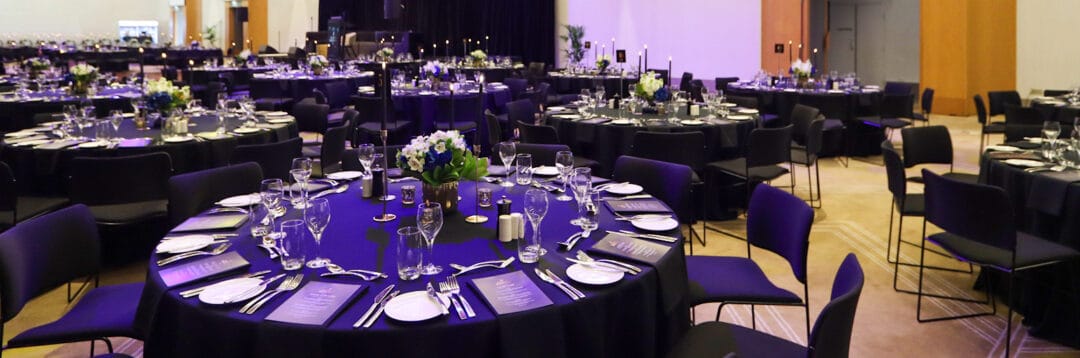
Pink Caviar Events’ work on the Jack Gibson Medal for the Sydney Roosters reflects this type of high-profile coordination. With 300+ guests across venues including Allianz Stadium and Randwick Racecourse, the event required polished presentation, brand awareness and careful delivery to support a professional guest experience.
When On-the-Day Coordination Is the Right Fit
On-the-day coordination is useful when the event plan is largely in place, but the delivery still needs experienced oversight. It suits organisations that have already made key decisions but need someone focused on timing, communication and practical event flow.
This support can be especially valuable when the internal team wants to stay visible as hosts, rather than step into operational roles. It also helps when an event has multiple suppliers, a formal program or a venue with specific access and timing requirements.
On-the-day coordination may be the right fit when:
• The event plan is confirmed, but delivery needs support
• Internal teams need to focus on guests or stakeholders
• Suppliers need one clear point of contact
• A run sheet needs to be managed in real time
• The event includes formalities, speakers or entertainment
• Guest arrival, registration, or wayfinding needs attention
• The venue has strict timing, access or pack-down requirements
• The event needs calm issue management during delivery
This kind of support does not replace planning. It strengthens the handover from planning into live event delivery, so the event feels organised once people are in the room.
Choosing the Right Event Coordination Support
The right event coordination support depends on the event’s scale, format and level of complexity. A small business briefing may need light support around timing and room flow. In contrast, a gala, conference, leadership event or brand experience may need deeper coordination across suppliers, staging, guest movement and formalities.
This is where professional event coordination services can help bring structure to the handover between planning and delivery. The role is not only to know the run sheet. It is to understand the intent behind the event, the people involved and the details that need attention as the event unfolds.
Pink Caviar Events supports organisations that need coordination to feel calm, clear and professionally managed. From supplier communication and on-site logistics to stakeholder awareness and guest experience, the focus is on helping the event move with confidence.
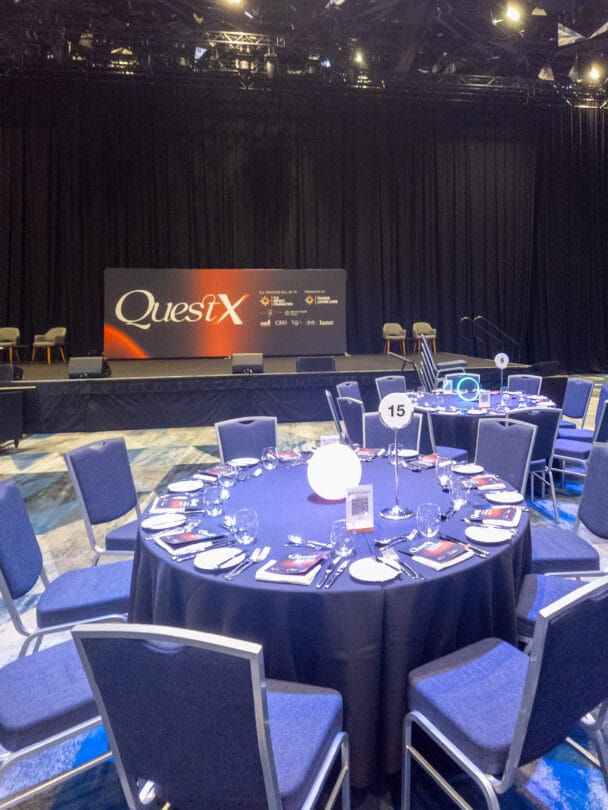
The Quest X Sydney Event is a strong example of this balance. As a corporate leadership experience, it required considered room presentation, purposeful event design and polished delivery, showing how coordination supports both the practical flow and the overall impression of an event.
Bringing Event Coordination Into Focus
Event coordination is what helps an event feel composed once the doors open. It gives structure to the live environment, supports the people delivering the event and helps guests experience each moment with clarity.
For organisations, this support can make the difference between an event that runs and an event that feels professionally managed. It reduces pressure on internal teams, gives suppliers clear direction and helps hosts remain focused on their guests, stakeholders and purpose.
Pink Caviar Events brings this level of coordination to corporate events, business functions and high-visibility occasions where timing, communication and presentation matter. With the right coordination in place, the event can move with confidence from first arrival to final departure.
FAQ Questions: Event Coordination
What is event coordination?
Event coordination is the practical management of an event once plans move into delivery. It keeps suppliers, timelines, venue requirements, guest flow and communication aligned so the event can run with greater clarity and control.
Why is event coordination important on the day of an event?
Event coordination is important because events change once they become live environments. A coordinator helps manage timing, supplier questions, guest movement and practical issues so hosts and internal teams can stay focused on the people in the room.
What is the difference between event planning and event coordination?
Event planning shapes the event before it happens, including objectives, suppliers, venue, budget, styling, catering and program details. Event coordination focuses on keeping those decisions working together during set-up, delivery and pack-down.
When should you use an on-the-day coordinator?
An on-the-day coordinator is useful when the event plan is mostly confirmed, but the live delivery still needs experienced oversight. This support is helpful for events with multiple suppliers, formalities, strict venue timing or internal teams who need to remain visible as hosts.
What does an event coordinator manage during an event?
An event coordinator may manage supplier arrivals, run sheet timing, venue access, registration flow, speaker movements, catering cues, AV checks and guest direction. Their role is to keep practical details aligned and respond calmly when changes occur.
How does event coordination support corporate events?
Corporate events often involve executives, staff, clients, sponsors, speakers, suppliers and venue teams. Event coordination helps keep those groups aligned through clear communication, structured delivery and practical oversight across the event environment.
How does event coordination improve the guest experience?
Event coordination improves the guest experience by supporting arrival, wayfinding, timing, room readiness and program flow. When these details are managed well, guests feel more informed, considered and confident throughout the event.
How does Pink Caviar Events support event coordination?
Pink Caviar Events supports event coordination through supplier communication, on-site logistics, run sheet management, stakeholder awareness and guest experience oversight. The focus is on helping corporate and business events feel calm, structured and professionally delivered.
For event coordination support that helps your next event feel calm, organised and professionally managed, contact Pink Caviar Events on 1300 884 800 or email us. You can also fill out the form at the bottom of this page, or Book a Consultation.