An On-the-Day Coordinator for events manages the practical delivery of an event once the plan moves into action. They keep timings, suppliers, venue communication, run sheets, logistics and on-site details aligned so the event team, stakeholders and guests experience a controlled, professionally managed event day.
For organisations that already have a clear event plan, professional event support services can provide the coordination needed to bring that plan together on site. It is the difference between having the details prepared and having someone experienced guiding those details in real time, with calm oversight and clear communication.
What Is an On-the-Day Coordinator?
An On-the-Day Coordinator is the person who manages event-day delivery once the planning has been set. Their role is to keep the approved plan moving, monitor timings, manage supplier communication, support venue requirements and respond to practical issues as they arise.
This role is particularly useful when an organisation has already planned the event internally but needs experienced event coordination on the day. Rather than handing delivery to someone already managing guests, speakers, executives or internal stakeholders, an event coordinator provides dedicated oversight across the moving parts that can affect timing, presentation and flow.
For corporate events, business events, launches, conferences, gala dinners and stakeholder-facing functions, this support helps protect the guest experience and reduces pressure on the internal team. It gives everyone a clearer point of contact and helps keep decisions, updates, and adjustments managed professionally throughout the event.
Why Event Coordination Matters on the Day
An event can be well planned and still need strong coordination once people, suppliers, venue teams and timings come together in real time. Event day conditions are active. Deliveries arrive, speakers need direction, catering timings shift, guests ask questions, and internal stakeholders often need quick, calm updates.
This is where event coordination becomes valuable. A dedicated coordinator keeps attention on the operational flow of the event, rather than expecting an internal team member to manage logistics while also hosting, presenting, networking or supporting senior stakeholders.
Good on-site event coordination also helps reduce preventable pressure. When one experienced person is tracking the event run sheet, supplier movements, venue requirements and key timings, small issues can be managed before they become visible. For events with public, stakeholder or executive visibility, that level of control supports both guest experience and professional confidence.
It also sits naturally alongside broader event risk assessment and management, because practical coordination on the day helps the approved plan stay realistic, responsive and properly managed.
What Can Go Wrong Without Event-Day Support?
Without dedicated event-day support, responsibility often lands with someone who is already managing guests, executives, speakers, sponsors or internal stakeholders. That can create pressure at the exact point where clear attention is needed most.
Small gaps can quickly affect the event experience. A supplier may arrive at the wrong entrance. A room may not be ready at the expected time. Catering may need a timing update. A speaker may need direction before going on stage. Registration may need extra support. None of these issues needs to become a major problem, but they do need someone watching, communicating and responding in real time.
Event coordination also helps avoid confusion around who is responsible for what. When venue teams, suppliers and internal staff all have different points of contact, details can be repeated, delayed or missed. A dedicated On-the-Day Coordinator gives the event a clearer communication pathway and helps keep updates moving through the right people.
For organisations, this is especially important when the event has senior attendees, external guests, formal proceedings or brand visibility. The internal team should be able to remain focused on hosting, relationship-building and representing the organisation, rather than chasing supplier arrivals or checking whether the next part of the schedule is ready.
What an On-the-Day Coordinator Usually Manages
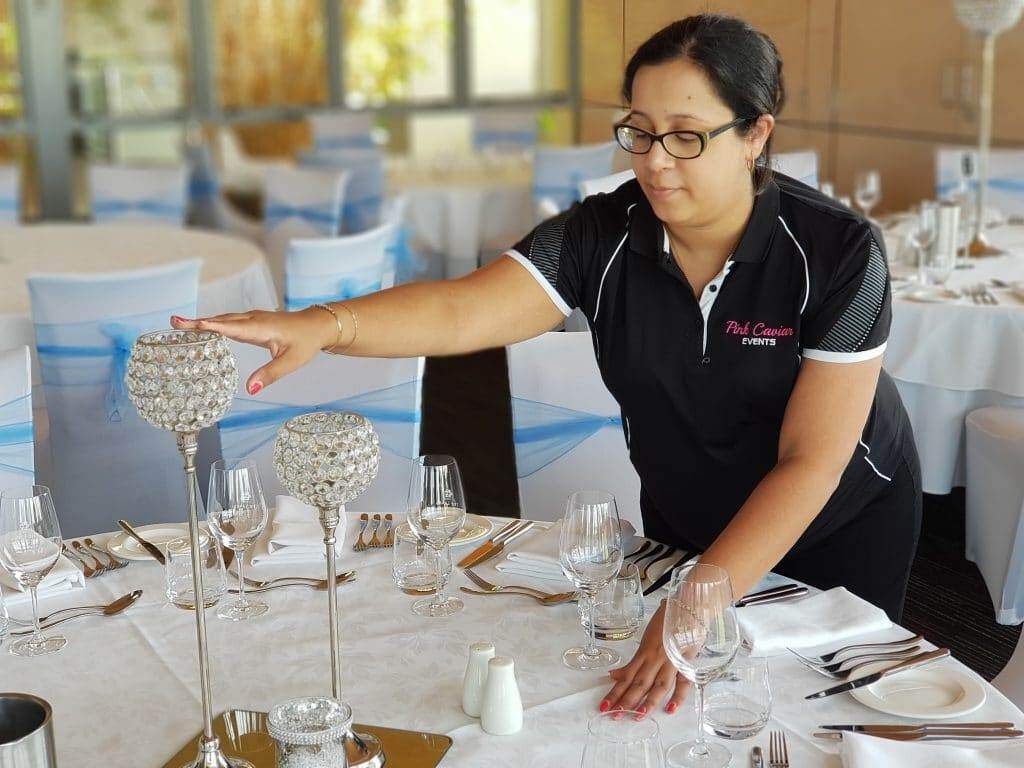
The scope of an On-the-Day Coordinator depends on the event format, venue, guest numbers, supplier mix and level of internal support already in place. In most cases, the role centres on keeping the event plan active, organised and visible to the right people.
This may include:
- venue and supplier communication
- Event run sheet oversight
- timing and schedule management
- production schedule updates
- supplier briefs and arrival details
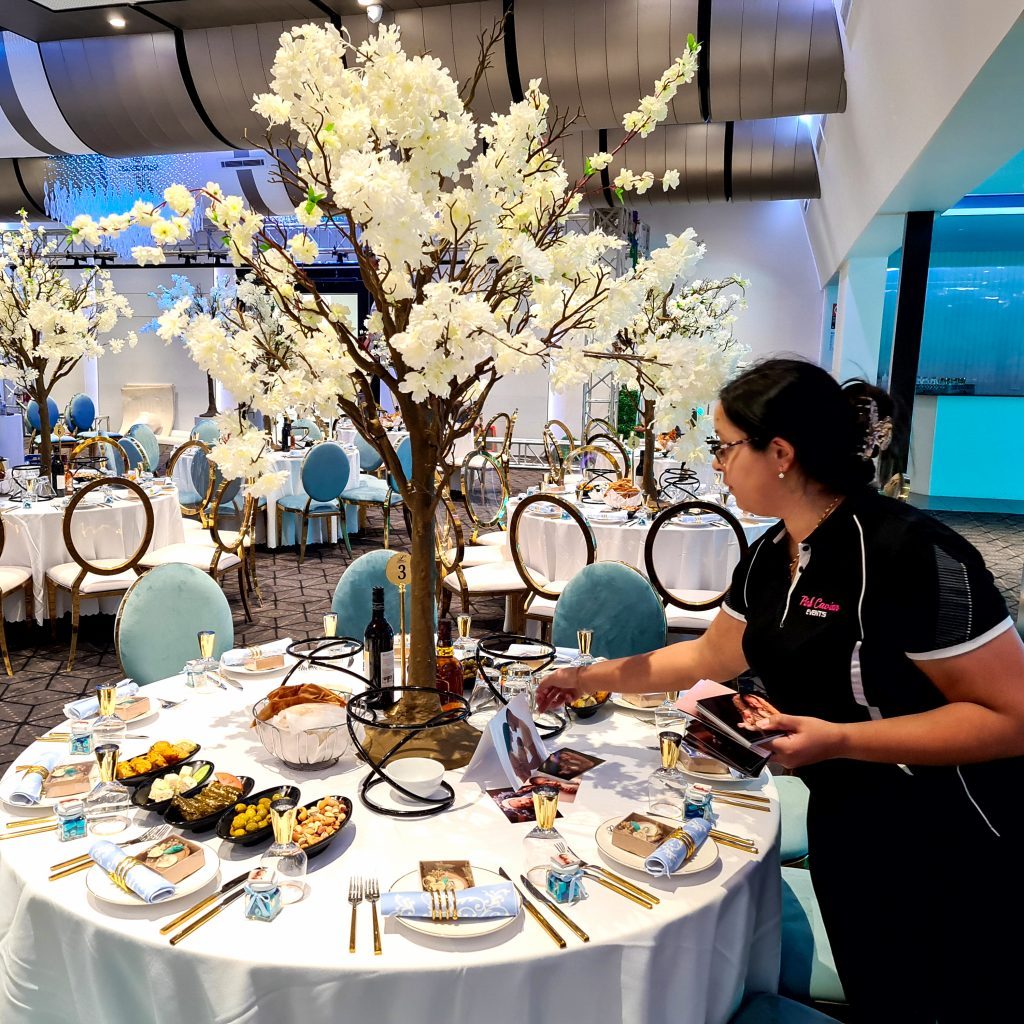
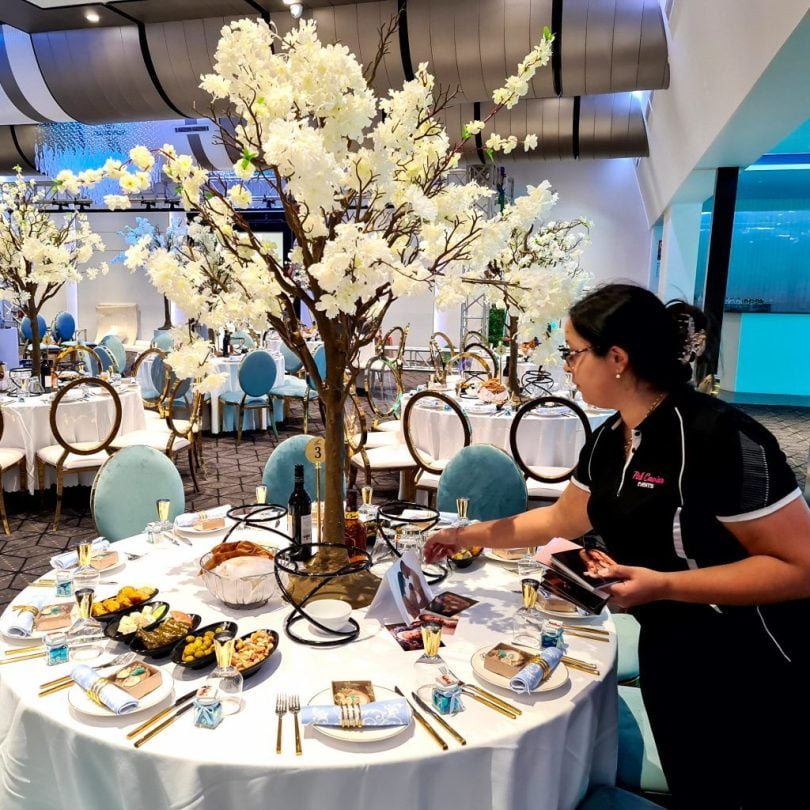
- catering, AV, styling or entertainment coordination
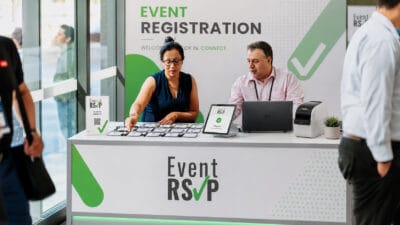
- guest flow and registration support
- speaker, host or stakeholder movements
- issue management and event-day adjustments
- communication between the client, venue and suppliers
For larger events, the coordinator may also work alongside additional event crew to support guest arrival, directional assistance, registration desks, room resets or front-of-house requirements.
The value is not only in completing individual tasks. It is in having one experienced point of coordination who understands the event plan, monitors the moving parts and helps the day stay aligned with the intended outcome.
How an Event Run Sheet Supports On-the-Day Coordination
An event run sheet gives the On-the-Day Coordinator a clear working reference for timing, responsibilities, supplier movements and key event moments. It helps translate the event plan into a practical document that can be used on-site by the people responsible for delivery.
For a simple event, the run sheet may focus on arrivals, setup, guest entry, formalities, catering and pack-down. For a more detailed event, it may also include speaker movements, AV cues, entertainment timings, room changes, registration details, sponsor requirements, photography moments and supplier contact information.
The value of an event run sheet is not only in having the document prepared. It is in how it is used during the event. A coordinator can track the schedule, check whether each part of the event is ready, communicate changes, and keep suppliers and stakeholders aware of what is happening next.
This is particularly useful when multiple teams are involved. Venue staff may be focused on room setup and catering. AV teams may be watching cues and technical requirements. Internal staff may be supporting guests or senior leaders. Suppliers may each be focused on their own part of the event. The run sheet helps bring those separate responsibilities into one shared timeline.
A strong run sheet supports calm, structured coordination. It helps reduce unnecessary questions, keeps the event team aligned and gives the coordinator a practical tool for managing the event as it unfolds.
When Should You Use an On-the-Day Coordinator?
An On-the-Day Coordinator is useful when the event direction is already clear, but the delivery needs focused support. This often applies when an internal team has confirmed the venue, suppliers, guest list and overall format, but does not have the capacity or experience to manage the event-day detail while also looking after attendees and stakeholders.
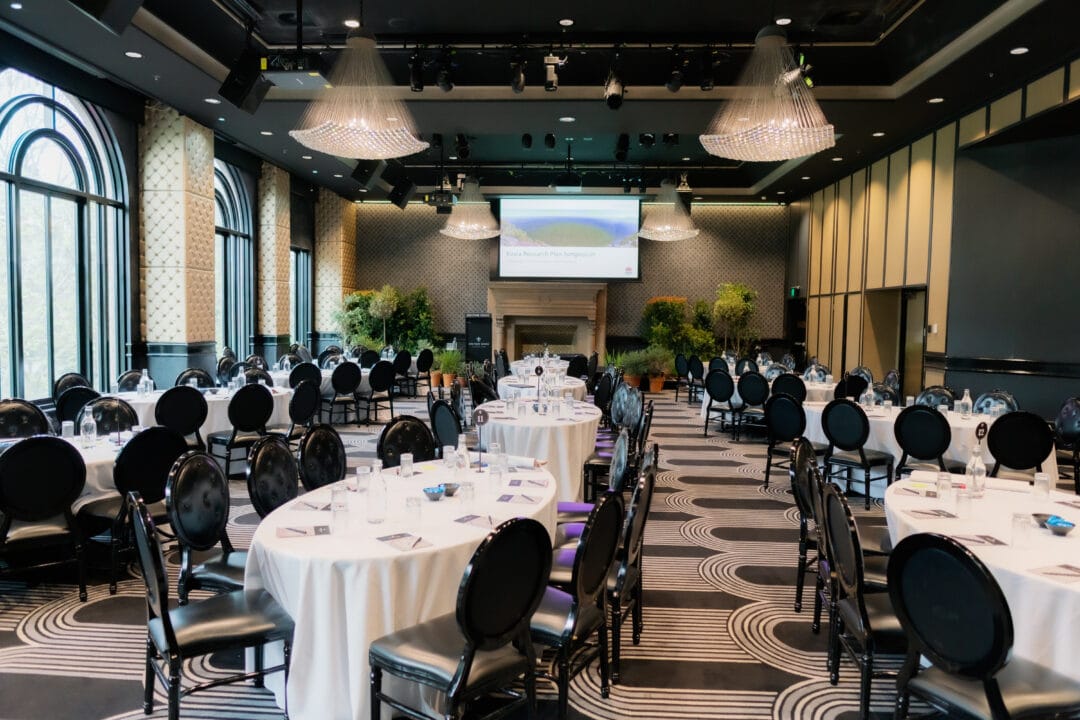
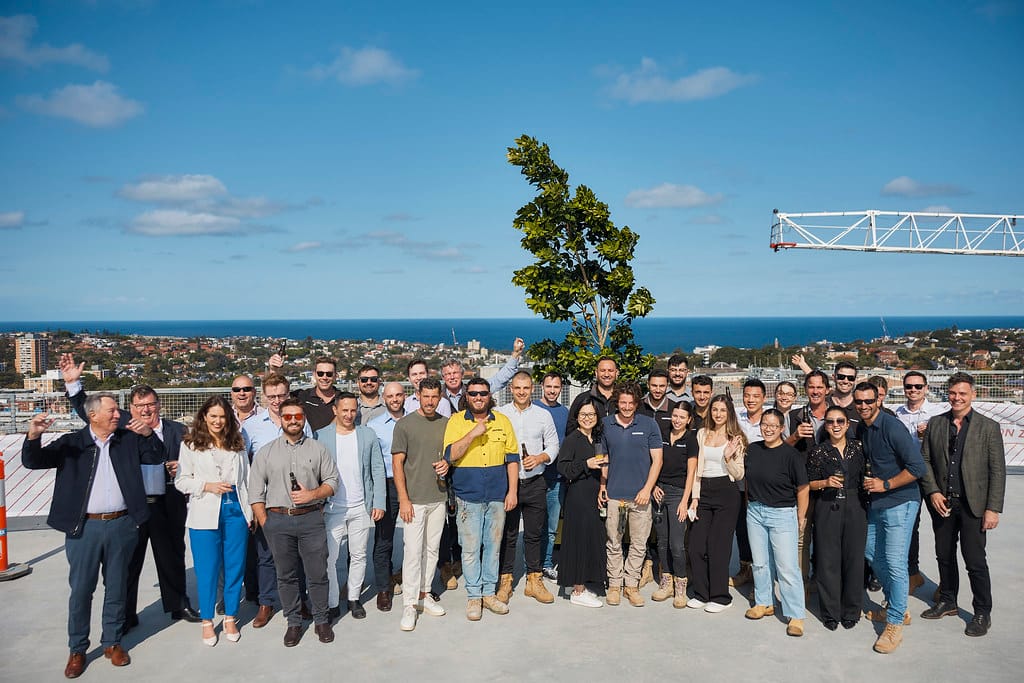
This support is especially relevant for corporate events, stakeholder briefings, launches, gala dinners, conferences, milestone celebrations and business events where timing and presentation matter. Events such as the Koala Research Symposium or the Health Translation Hub Topping Out Celebration show how structured coordination supports professional delivery across different event formats.
It can also be valuable for events with multiple suppliers, senior attendees, detailed schedules or a formal run of show. In these situations, event day support helps the internal team stay present and confident, rather than being pulled into supplier calls, timing changes or practical troubleshooting.
The Difference Between Event Planning and Event-Day Coordination
Event planning shapes the event before guests arrive. It sets the purpose, structure, venue, suppliers, schedule, budget, guest experience and overall direction. Full event management may include strategy, planning, supplier sourcing, creative direction, logistics and delivery from the early stages through to completion.
Event-day coordination is more focused. It takes the approved plan and manages how it is delivered on-site. The coordinator is not there to redesign the event at the last moment. Their role is to keep the confirmed details moving, manage communication between the right people and respond calmly when practical adjustments are needed.
This distinction matters because many organisations already have strong internal planning capability. What they often need is event management support at the point where timing, suppliers, guests and stakeholders come together. An On-the-Day Coordinator helps bridge that gap so the internal team is not left carrying every operational detail during the event itself.
How Pink Caviar Events Supports On-the-Day Coordination
Pink Caviar Events supports clients who need experienced event coordination without handing over the entire planning process. This is a practical fit for organisations that already know what they want to deliver, but need a calm, capable team to manage the details that determine how the event runs on the day.
Our support may include reviewing the event run sheet, confirming supplier movements, preparing event-day timelines, liaising with venues, coordinating arrival details and keeping key people aligned as the event moves through each stage. The focus is on practical control, clear communication and professional delivery.
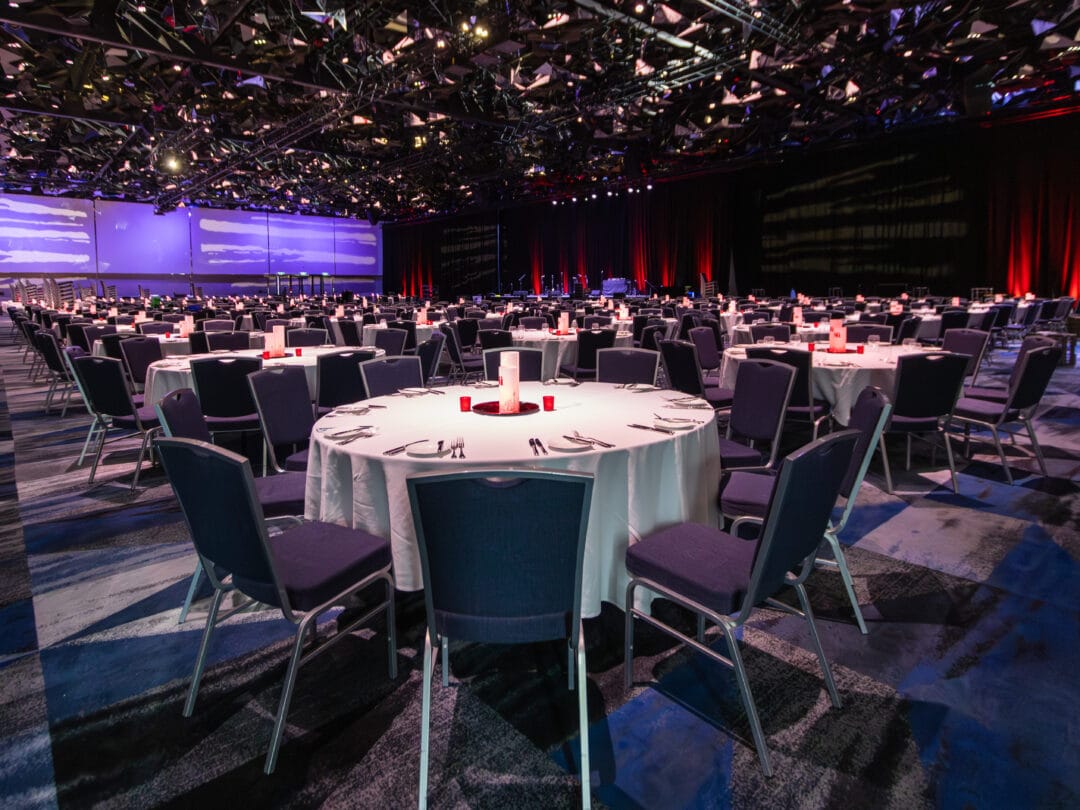
For events with formal proceedings, stakeholder visibility or a detailed run of show, this coordination can make a noticeable difference. A gala-style event such as the BNI Sydney Gala Event requires timing, guest flow, supplier coordination and presentation details to work together smoothly. The same principle applies across launches, conferences, business events and corporate celebrations.
Pink Caviar Events brings structure to the event day so internal teams can stay focused on their guests, stakeholders and organisational responsibilities, rather than managing every operational detail themselves.
Support Your Event Day With Clear Coordination
A well-planned event still needs steady coordination when the day arrives. Timings need to be monitored, suppliers need direction, venue teams need clear communication, and internal stakeholders need confidence that the details are being managed.
An On-the-Day Coordinator gives that responsibility to someone focused on delivery. This helps the event move with structure and reduces the pressure on internal teams who may already be hosting guests, supporting speakers, managing executives or representing the organisation.
For corporate events, conferences, launches, gala dinners and stakeholder-facing experiences, this support can make the event feel more controlled from start to finish. The value sits in the details that guests may never notice, but that shape how professionally the event is experienced.
Pink Caviar Events provides event coordination as part of broader event support, helping organisations bring their confirmed plans together with calm communication, clear documents and practical on-site oversight.
Frequently Asked Questions: On-the-Day Coordinator Support
What does an On-the-Day Coordinator do for an event?
An On-the-Day Coordinator manages the practical delivery of an event once the plan is ready to be carried out. Their role may include timing, supplier communication, venue liaison, event run sheet oversight, logistics and practical issue management on the day.
When should you hire an On-the-Day Coordinator?
You should consider an On-the-Day Coordinator when your event is already planned, but you need experienced support to manage delivery. This is especially useful when your internal team needs to focus on guests, speakers, executives, sponsors or stakeholders rather than operational details.
Is an On-the-Day Coordinator the same as an event coordinator?
They are closely related, but the scope can differ. An event coordinator may support planning and delivery, while an On-the-Day Coordinator is focused on managing the event as it happens on site.
What is included in event coordination services?
Event coordination services may include supplier coordination, venue communication, run sheet management, scheduling, logistics, guest flow, event-day timelines and communication between key parties. The exact scope depends on the event format, complexity and level of support required.
How does an event run sheet help on the day?
An event run sheet gives the coordinator and event team a clear reference for timings, responsibilities, supplier movements and key moments. It helps keep everyone aligned and gives the On-the-Day Coordinator a practical tool for managing the event as it unfolds.
Can Pink Caviar Events support events that are already planned?
Yes. Pink Caviar Events can support clients who already have an event plan but need experienced event coordination or event day support. This may include reviewing details, preparing working documents, liaising with suppliers and managing on-site delivery.
How is event-day coordination different from event management?
Event management usually covers a broader scope, including planning, supplier sourcing, logistics, creative direction and delivery. Event-day coordination is more focused on managing the approved plan on site and keeping the event running smoothly.
Can event support services help reduce pressure on internal teams?
Yes. Event support services allow internal teams to stay focused on hosting, stakeholder relationships and organisational responsibilities. With a dedicated coordinator managing the operational details, the event can feel more controlled and professionally supported.
To discuss on-the-day coordination or event support for your next corporate, business or stakeholder-facing event, contact Pink Caviar Events on 1300 884 800 or email us. You can also fill out the form at the bottom of this page, or Book a Consultation.